Side Pushout Baler
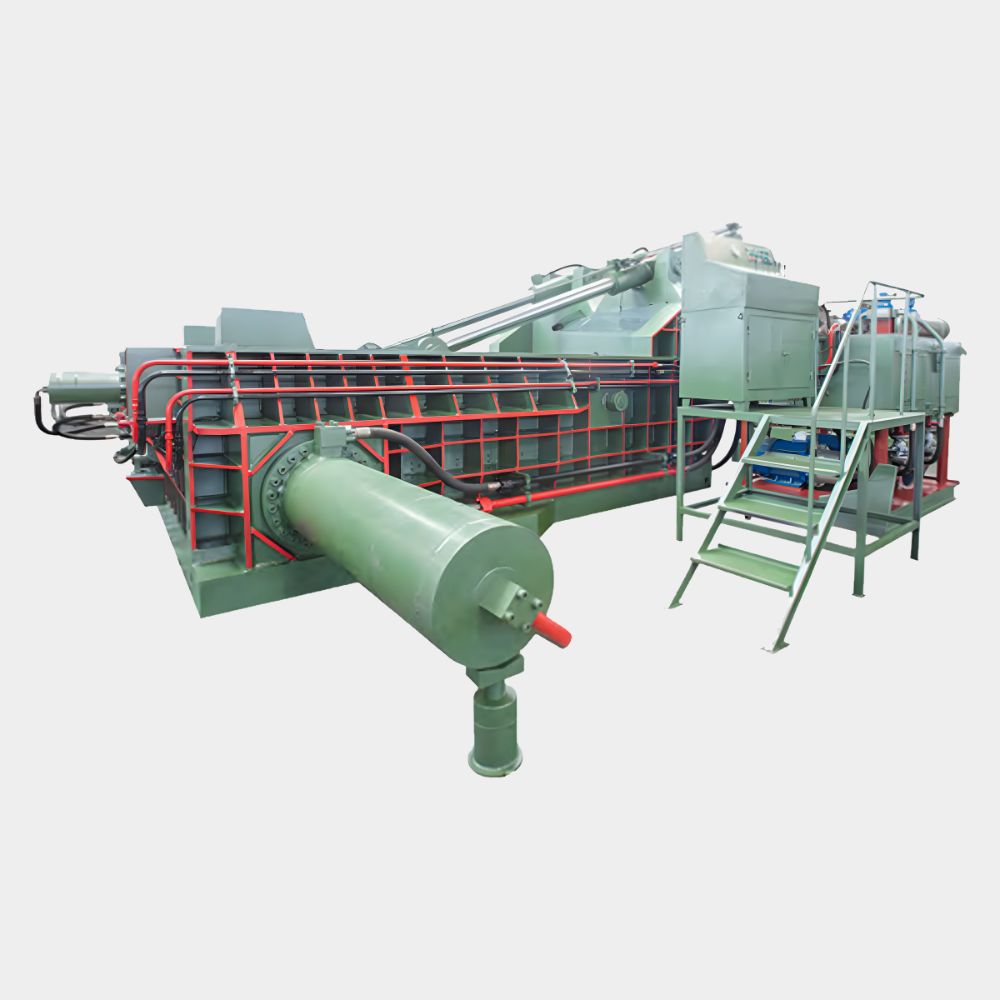
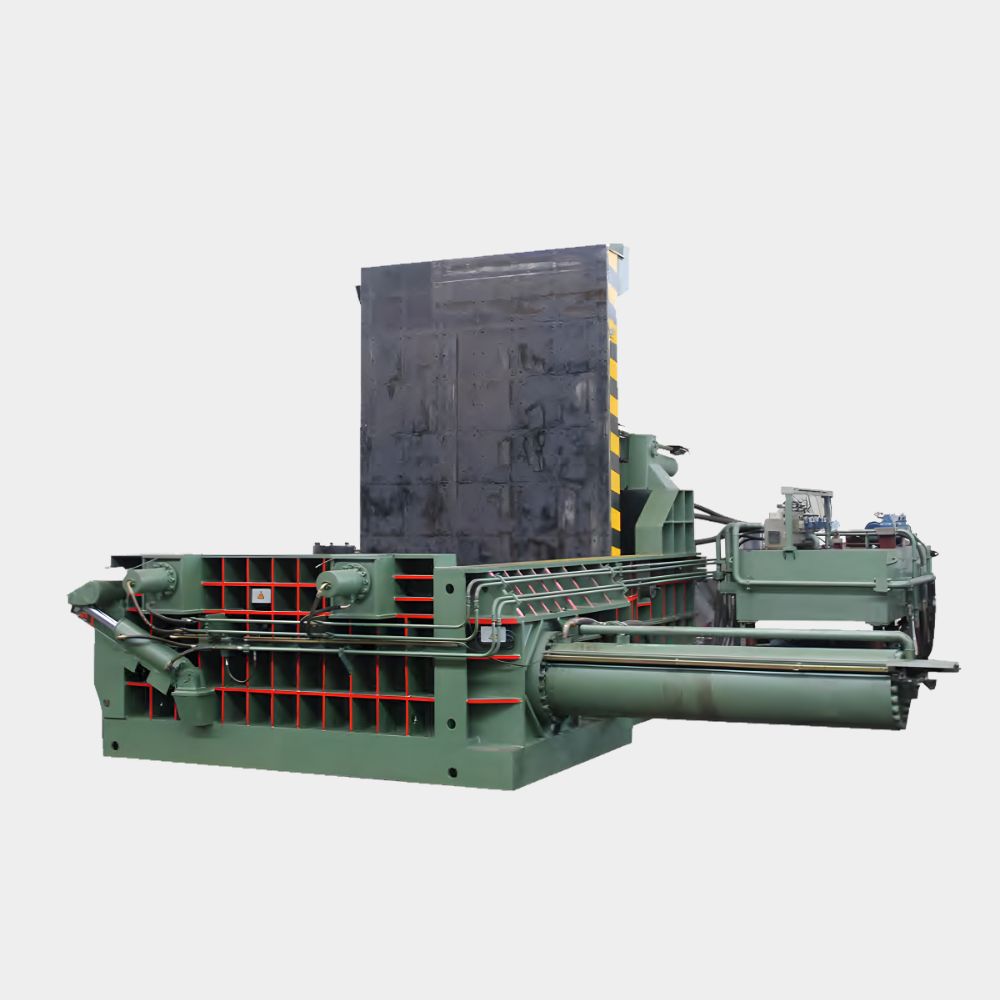
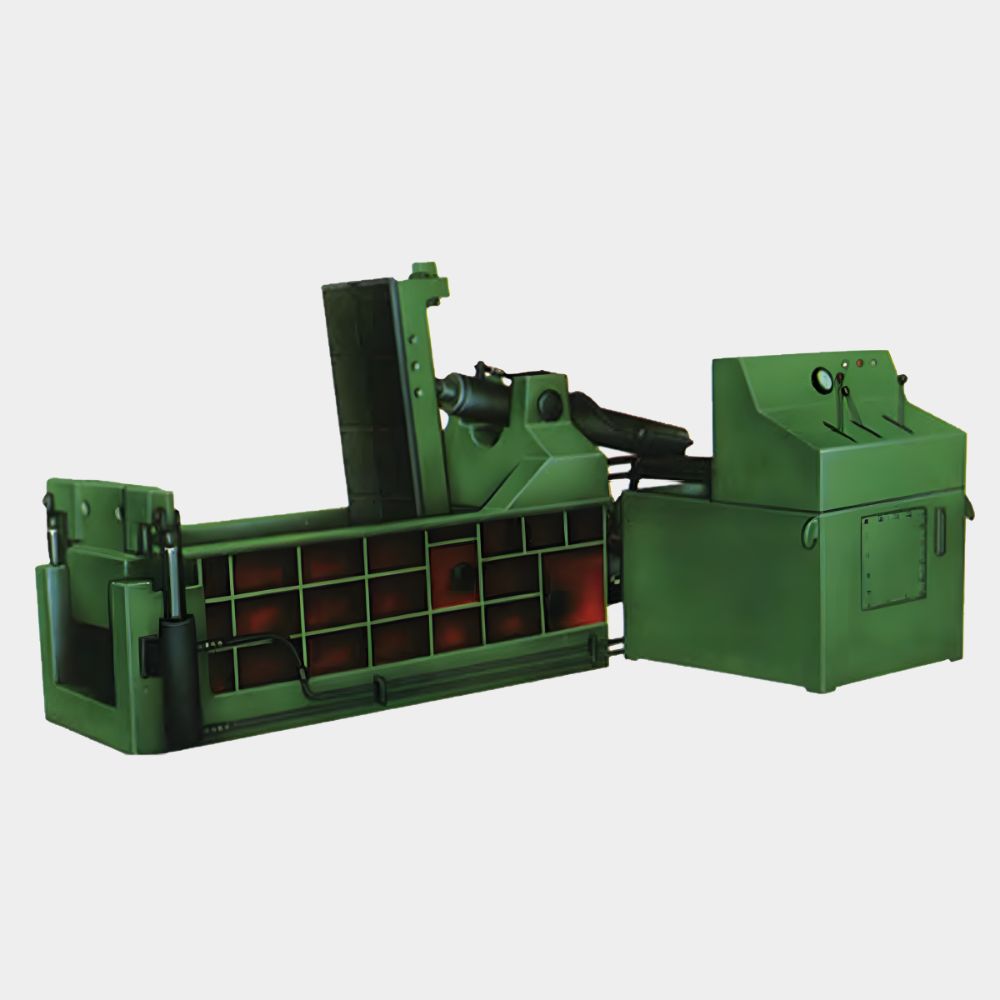
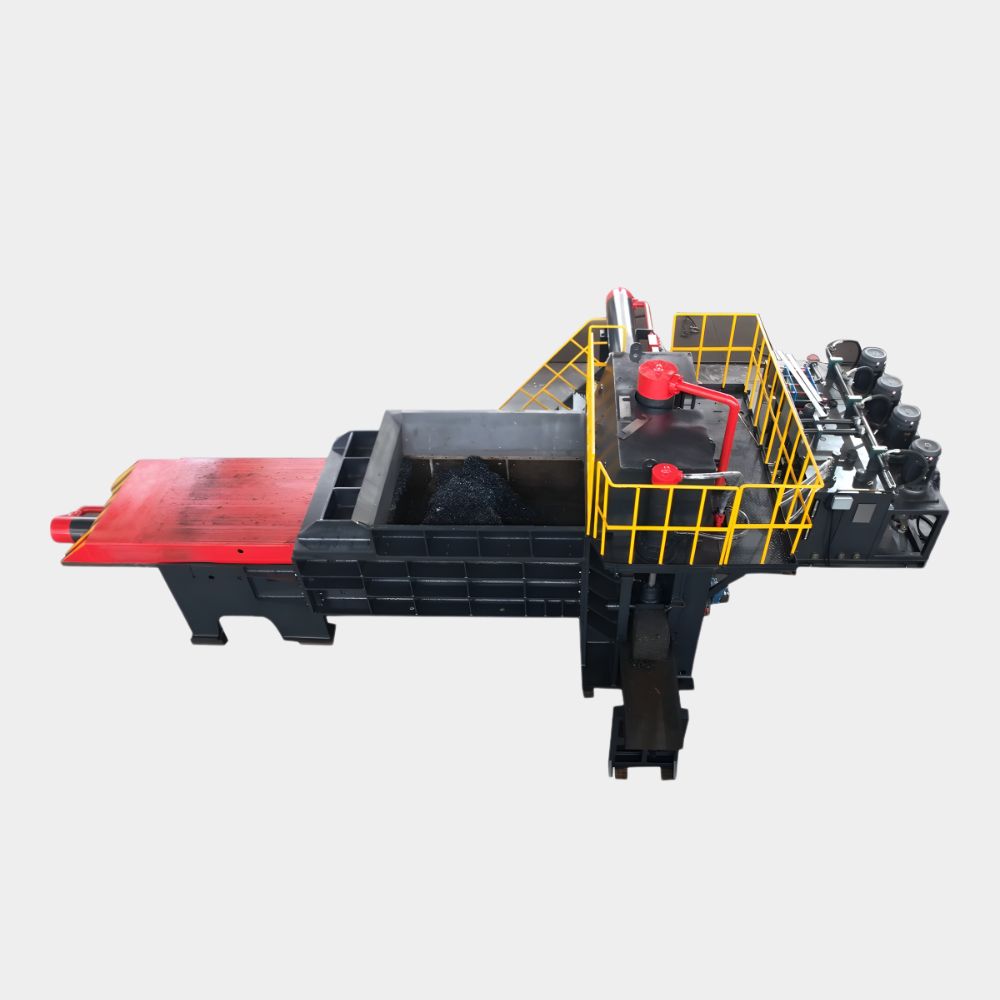
Pushout Balers are applied in thickness less than 6mm in steel mills, recycling plants, ferrous &non-ferrous smelting industry to press scrap metal (steel, copper, aluminum, stainless steel, discarded automobiles, etc) into acceptable furnace charges in shapes of cuboids, cylinders & octagons. Suitable for scrap processing and distribution center (base), scrap car dismantling and remanufacturing, steel and nonferrous metals industry, etc.
A side pushout baler ejects the finished bale sideways out of the chamber rather than forward. That single difference in discharge direction is what makes it the right machine for a particular kind of yard layout, and the wrong one for others.
Why side discharge
Where your collection point, discharge conveyor or bale stacking area sits alongside the machine rather than in front of it, side ejection removes a handling step. Material can be fed at one end and bales taken away from the side, which allows a straight through line without the feed and discharge competing for the same space.
This matters most in yards where floor space is tight or where the baler sits within a processing line rather than standing alone.
What it presses
Scrap metal below 6mm thickness, including steel, copper, aluminium, stainless steel and material from discarded automobiles, pressed into acceptable furnace charges. Typical users are steel mills, recycling plants and the ferrous and non ferrous smelting industry.
Bale shapes
Cuboid, cylindrical and octagonal, depending on the chamber configuration selected.
Features
- Hydraulic drive with PLC control
- Inclined axial piston pumps for high reliability and high density output
- Wear resistant lining plates in the compression chamber
- Designed for operation with minimum maintenance
Where it is typically installed
- Scrap processing and distribution centres
- Scrap car dismantling and remanufacturing operations
- Steel mills and recycling plants
- Ferrous and non ferrous smelting units
Planning the layout before choosing the discharge
The most common mistake when buying a baler is choosing the machine first and working out the bale handling afterwards. Map where bales need to end up, how they will be lifted and what will move them, then pick the discharge direction that avoids a second handling operation. A machine that ejects into a space where the forklift cannot reach costs you time on every single cycle for as long as you own it.
Consistency of output
Inclined axial piston pumps maintain steady pressure through the compression stroke, which produces uniform density from cycle to cycle. That consistency is what allows you to quote a density to a buyer and meet it on every load rather than on average.
Side Pushout Baler Specifications
| Model | Main Cyl. Force (ton) | Press Box Size (L×W×H/mm) | Bale Size (W×H/mm) | Motor (kW) |
|---|---|---|---|---|
| Y81/T - 125 | 125 | 1100×700×550 | 200×200 | 15 |
| Y81/T - 160 | 160 | 1600×1000×800 | 400×400 | 22 |
| Y81/T - 200 | 200 | 1600×1200×800 | 400×400 | 22+15 |
| Y81/T - 250 | 250 | 2000×1400×900 | 500×500 | 2×22 |
| Y81/T - 315 | 315 | 2500×2000×1200 | 600×600 | 2×45 |
| Y81/T - 400 | 400 | 3500×3000×1300 | 600×600 | 3×45 |
| Y81/T - 500 | 500 | 3000×2500×1300 | 700×700 | 3×45 |
* Specifications are indicative and subject to change based on requirements and technical advancements.
The finished bale is ejected from the side of the chamber rather than the front. This suits layouts where the discharge conveyor or collection point sits alongside the machine rather than in front of it.
Scrap metal below 6mm thickness including steel, copper, aluminium, stainless steel and discarded automobile material, pressed into acceptable furnace charge.
Cuboid, cylindrical and octagonal bales depending on the chamber configuration selected.
Hydraulic drive with PLC control and inclined axial piston pumps, which deliver high reliability and consistently high density output.
Scrap processing and distribution centres, scrap car dismantling and remanufacturing operations, steel mills and recycling plants.