
Scrap Processing

The melting shops and scrap yards can add value to their scrap by processing their scrap. Scrap processing is a process where we change the shape, size and density of scrap in order to make it clean, easy and faster to melt, remove impurities etc. all these helps add value to scrap as a raw material and thus improving efficiencies.
Processing the scrap right can substantially shift your scrap yard or melting shop's financial statements. Over the period, this may become a competitive edge for you.
The melting shops and scrap yards can add value to their scrap by processing it. Scrap processing is a process where we change the shape, size, and density of scrap to make it clean, easy, and faster to melt, remove impurities, etc. all these help add value to scrap as raw material, thus improving efficiencies.
Various processes can be suggested based on the type of scrap and your requirement. We strive to suggest a solution that aligns with your goals and requirements.
Every process or equipment has been designed to cater to a particular type of scrap raw materials. We take massive care while selecting the right solutions for you.
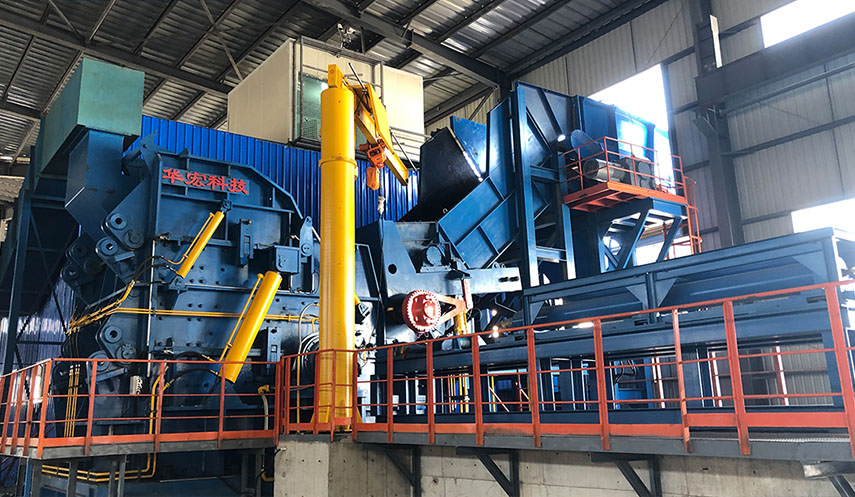
Shredding system

Shearing System

Baling System

Briquetting System
Scrap processing changes the shape, size and density of incoming scrap so it melts faster and cleaner. Depending on the material this can mean shearing, baling, shredding, briquetting or sorting, and most yards use a combination of these steps rather than a single machine.
A denser, cleaner charge melts faster, draws less power per tonne, produces less slag and improves metallic yield. Over a year those small gains per heat usually show up clearly on the cost sheet, which is why processing becomes a competitive advantage rather than just an added cost.
It depends on what you are handling, how contaminated it is and how much you process per month. Light sheet and vehicle shells suit baling or shear baling, heavy melting scrap suits gantry shearing, turnings suit briquetting, and mixed low grade material usually needs shredding with downstream sorting.
Yes. Most yards receive a mix, so we map each stream separately and then plan the equipment and material flow so the streams do not block one another. The aim is to keep every machine fed rather than buying capacity that stays idle.
Both. Many customers start with a single machine to solve an immediate bottleneck and expand into a full line later, so we plan the layout with that expansion in mind from the beginning.


