Mobile Grabber
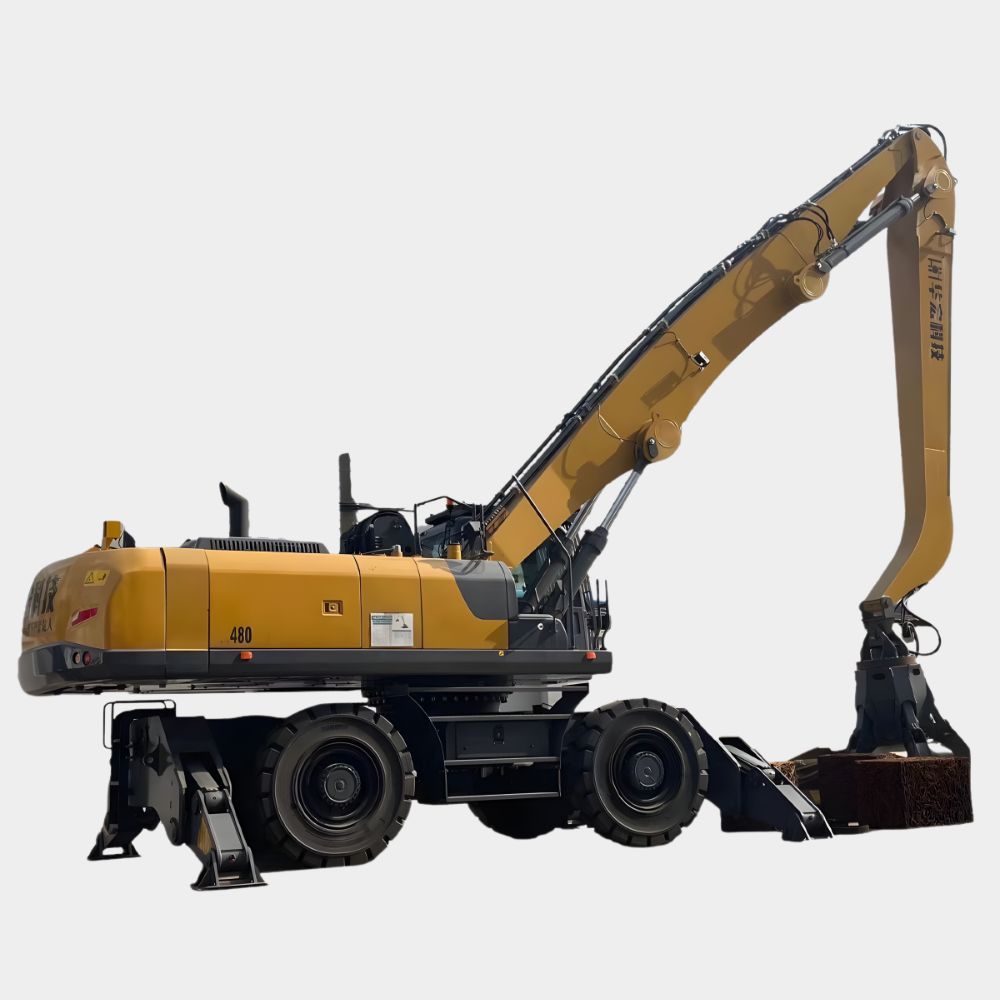
A mobile grabber is a self propelled material handler that moves around the scrap yard rather than working from a fixed base. It unloads incoming vehicles, moves material between stockpiles, feeds more than one processing machine and loads outgoing trucks, which makes it the most flexible piece of handling equipment in a yard.
When mobility earns its cost
A mobile machine costs more to buy and more to run than a fixed one. It earns that back when the work is spread out. If your feeding points change through the day, if stock sits in several places across the yard, or if the same machine has to handle both incoming and outgoing material, one mobile handler often does the work of two stationary units and removes the loader that would otherwise shuttle material between them.
It also gives you resilience. A yard with a single fixed handler stops when that machine stops. A mobile unit can cover a second duty at short notice.
Attachments
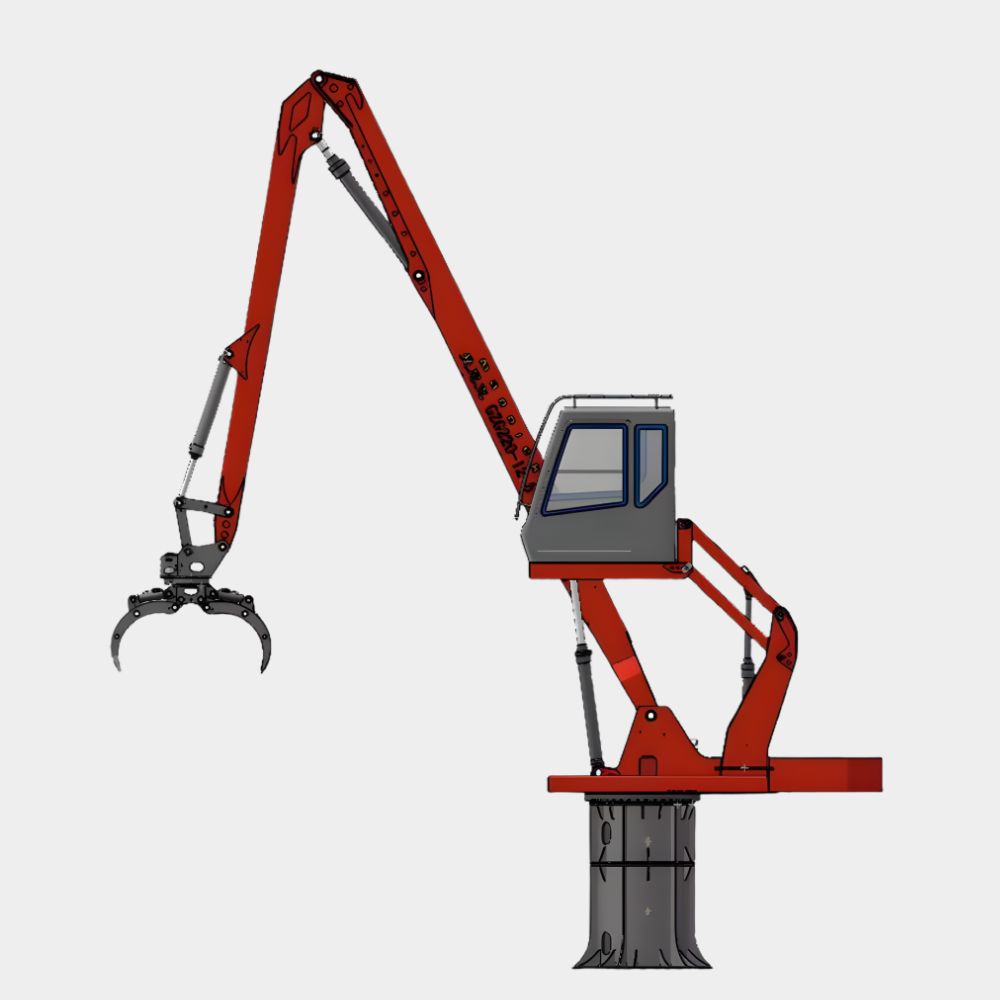
- Orange peel grab for loose mixed scrap and light material
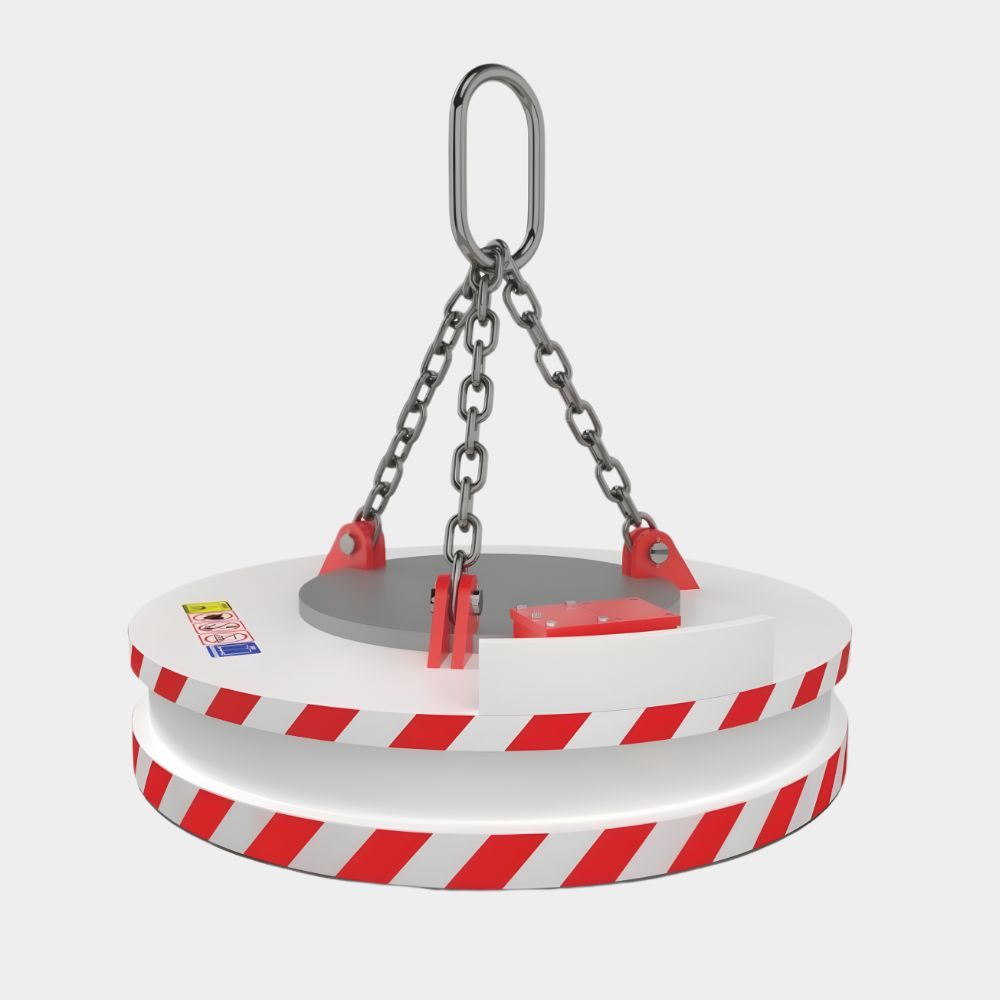
- Lifting magnet for ferrous scrap, plate and structural sections
- Sorting grabs for picking selected material out of a mixed pile
Wheeled or tracked
Wheeled machines travel faster across a hard standing yard and cause less surface damage, which suits sites with a concrete or compacted apron and regular travel between working points. Tracked machines give better stability and flotation on soft or uneven ground and suit yards where the machine works a large stockpile rather than travelling constantly. The decision is usually made on ground condition and how much of the shift is spent travelling.
Sizing the machine
Specify against your hardest working point, not your average one:
- Reach and lift at the furthest position the machine must serve, including over a truck body if it loads directly
- Working height if the machine has to stack, since stack height determines how much stock the yard can hold in a given area
- Duty hours per day, which drives the cooling, filtration and hydraulic specification
- Cab height and visibility, since an operator who cannot see the load works slower and less safely
Built for the environment
Scrap yards run hot and dusty, and the material is abrasive. Our handlers are designed for those conditions, with cooling and filtration specified for continuous work in high ambient temperature and structural strength at the fatigue points rather than a general purpose machine fitted with a grab.
Fitting it into the operation
Handling equipment decides the throughput of everything it feeds. A shear rated at a given tonnage only achieves it if material arrives without pause. We plan the handler alongside the processing line and the yard layout, so the machine you buy matches the work actually in front of it rather than a specification chosen in isolation.
Moving scrap around the yard, unloading and loading trucks, and feeding more than one processing machine. It gives you flexibility that a fixed base handler cannot.
When your feeding points change, when stockpiles are spread across the yard, or when the same machine has to handle both incoming and outgoing material. A single mobile unit often replaces two fixed ones.
Orange peel grabs and lifting magnets, chosen according to whether you are handling loose mixed scrap or ferrous material.
From the reach and lift you need at your furthest working point, the height you stack to, and the duty hours per day. Undersizing on reach is the most common and most expensive mistake.
Yes. These machines are built for scrap yard conditions where both dust load and ambient temperature run high.