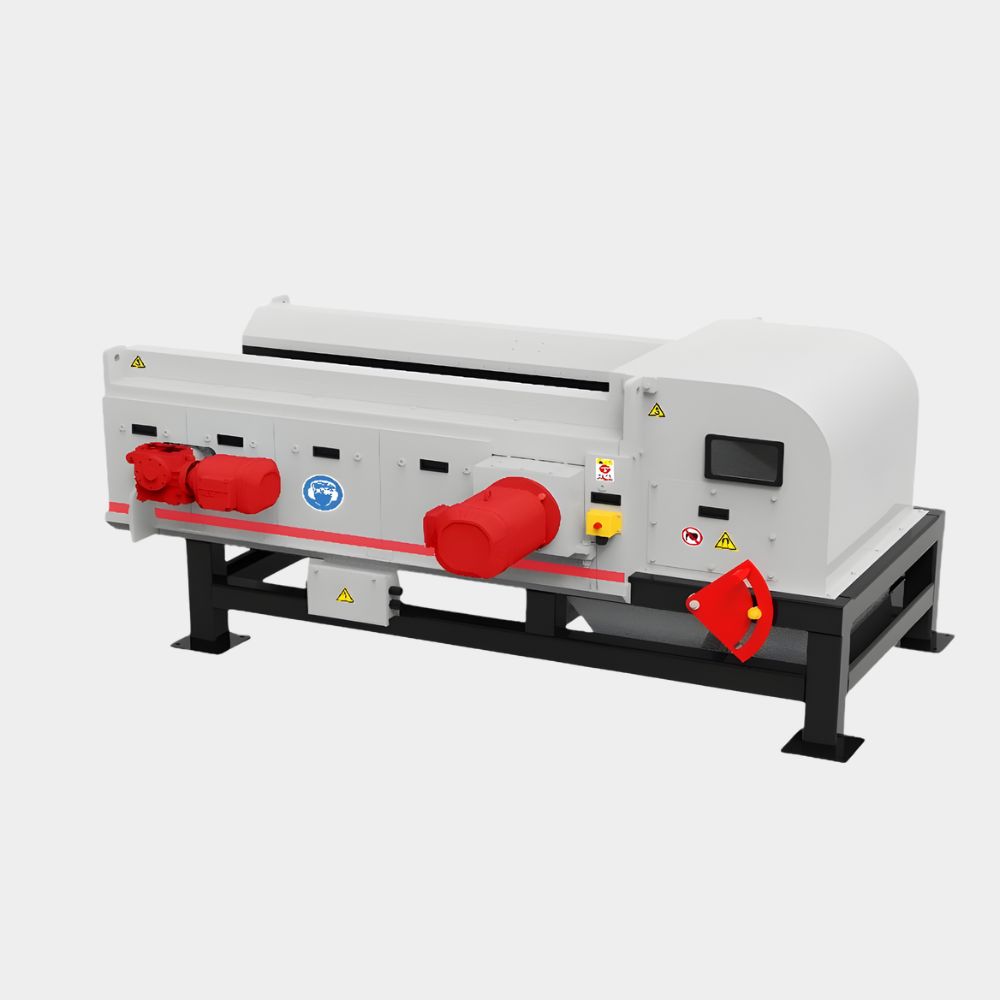
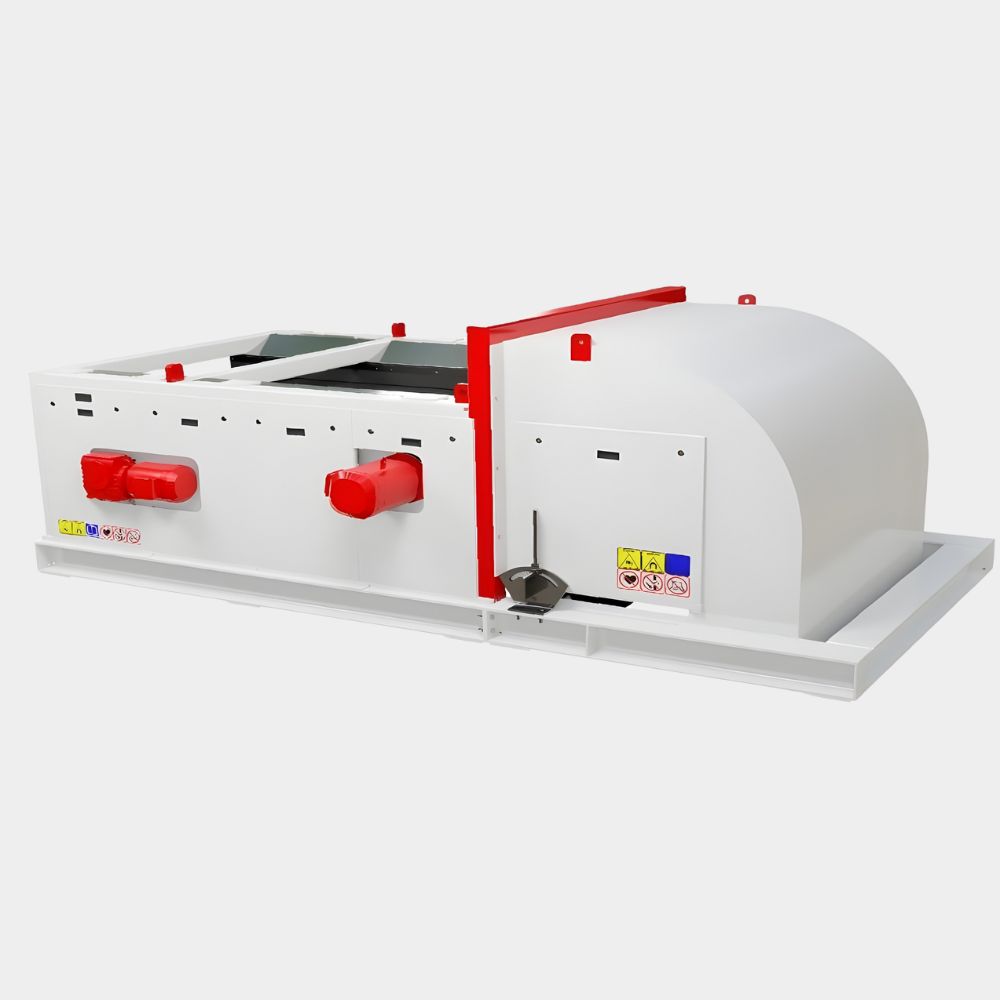
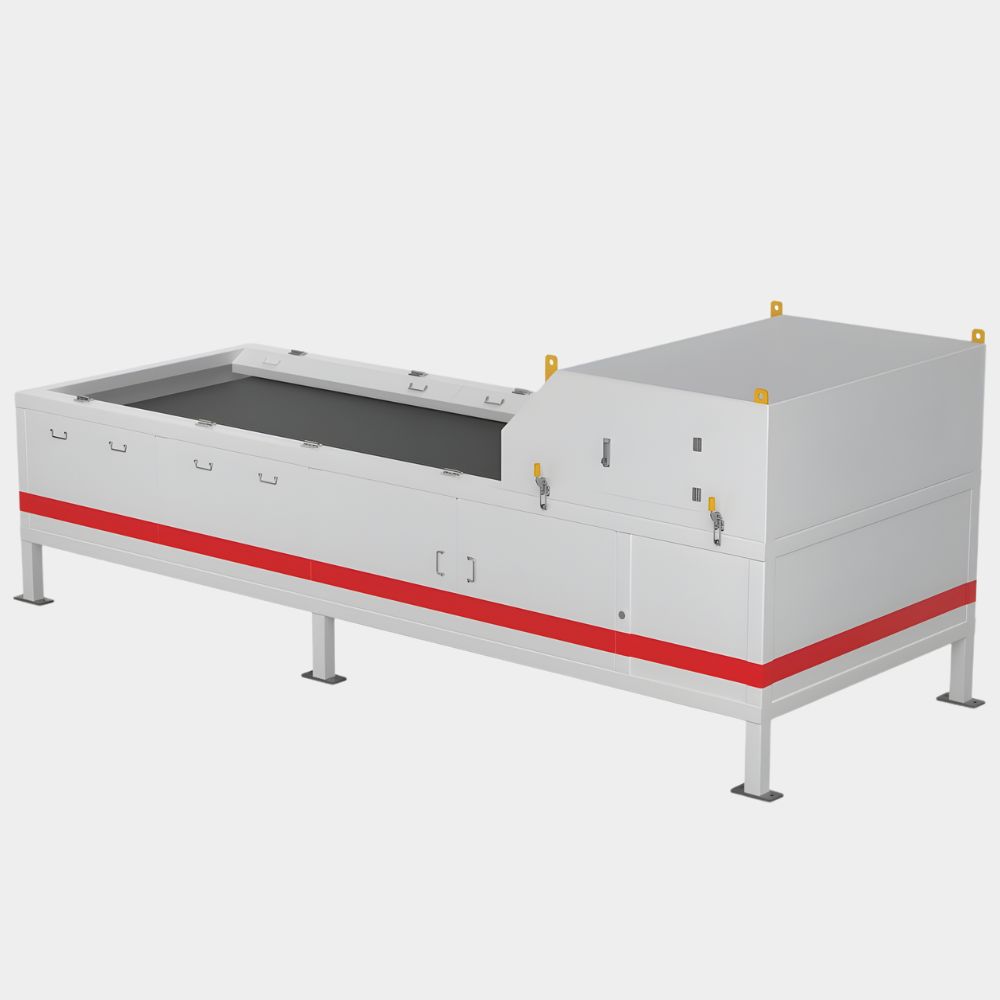
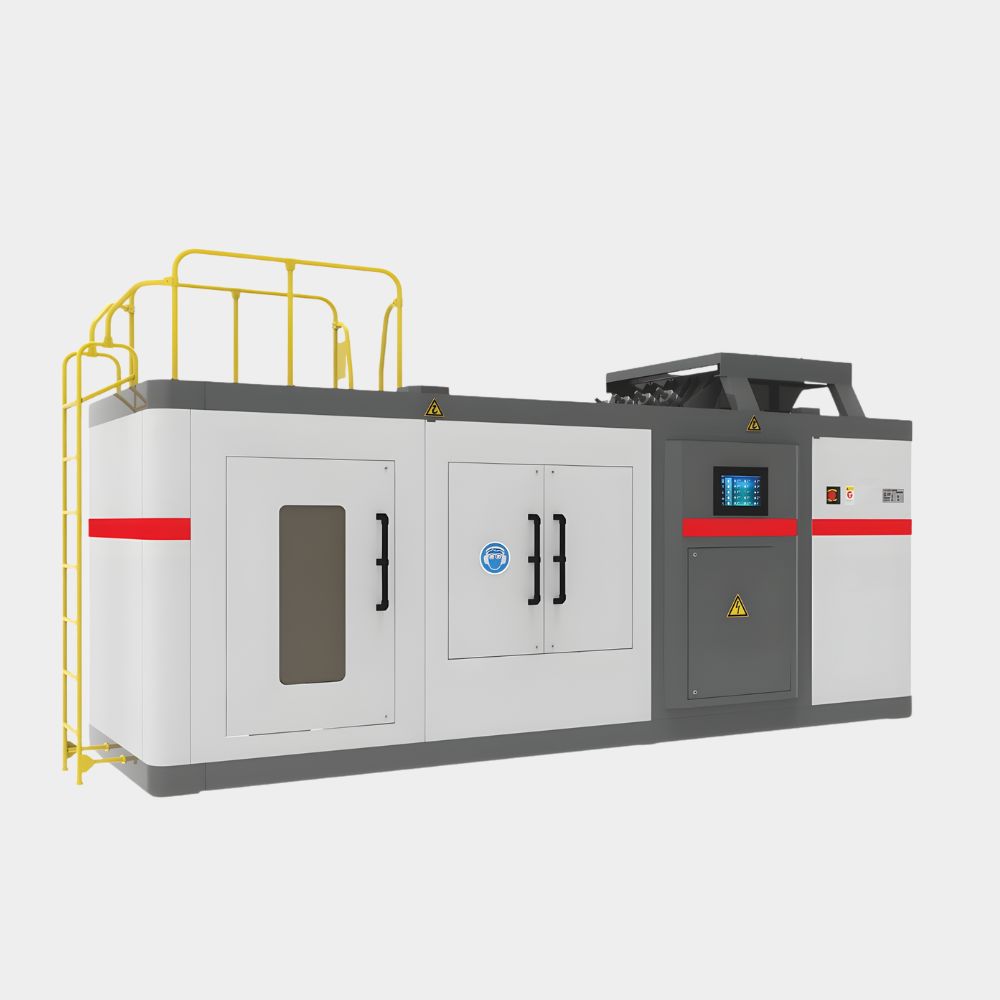
Intelligent X-Ray Sorter
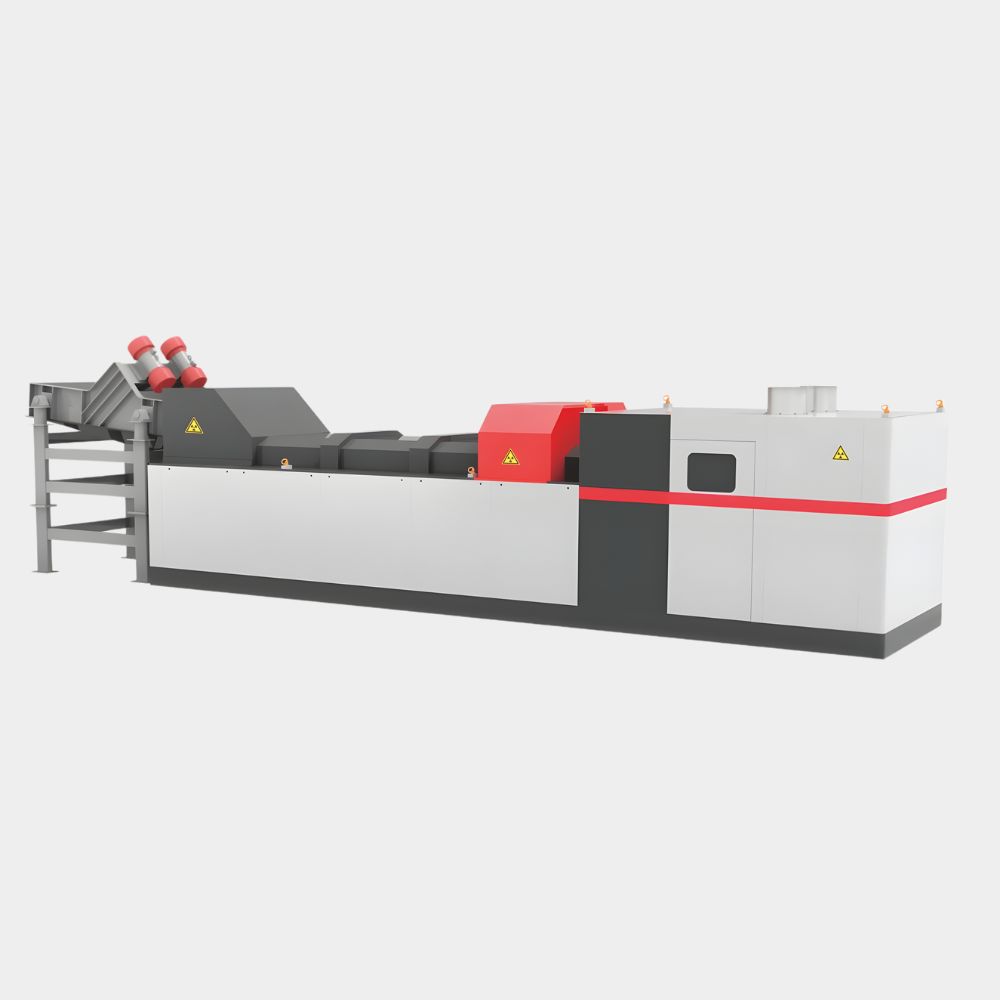
The equipment utilizes the different characteristics of X-ray absorption effects of different metal elements (XRT) to effectively distinguish non-ferrous metals. It is particularly effective in sorting heavy metals from aluminum scrap and between raw aluminum and wrought aluminum.
An intelligent X-ray sorter uses X-ray transmission technology, known as XRT, to separate non ferrous metals by their absorption characteristics. Because the X-ray passes through each particle rather than reading its surface, the machine responds to density and atomic number, which makes it effective on dirty, coated and oxidised material where surface based methods fail.
How it works
Material passes over an X-ray source on a fast moving belt. A detector array beneath the stream measures how much energy each particle absorbs. Denser and heavier elements absorb more, so copper, zinc, lead and other heavy metals produce a clearly different signal from aluminium. The system builds a profile of every particle in real time, decides whether it belongs in the product or the reject stream, and fires a timed air jet to divert it at the discharge end.
What it does best
- Removing heavy metals from aluminium scrap, which is the separation that determines whether aluminium meets smelter specification
- Distinguishing raw aluminium from wrought aluminium, a split that conductivity based methods handle poorly
- Cleaning shredded non ferrous fractions to furnace ready quality
XRT compared with XRF
The two technologies answer different questions and are often used in sequence.
- XRT reads through the particle. It responds to density and works on material that is painted, coated, oxidised or dirty. Use it for bulk contamination removal
- XRF reads the surface. It identifies elemental composition and separates alloy grades. Use it for fine alloy specific sorting on already clean material
A line producing alloy specific furnace ready aluminium typically runs XRT first to remove heavy metal contamination, then XRF to split the clean aluminium into alloy families.
Feed requirements
- Dry, sized material within a controlled size range
- Single layer presentation with even distribution across the belt width
- Upstream magnetic and eddy current separation to remove ferrous and bulk fractions first
Accuracy quoted for any sorter assumes correct presentation. In practice the feeder and the upstream stages determine the result as much as the sorter itself.
The commercial case
Aluminium free of heavy metal contamination sells at a considerably better rate than mixed material, and smelters increasingly refuse feed that does not meet specification. The relevant number when evaluating an XRT sorter is the value uplift per tonne of product rather than the machine throughput, because that uplift is what funds the investment.
Specifying a machine
Belt width, detector resolution, nozzle spacing and air capacity are selected from your feed analysis, particle size distribution, target purity and required throughput. Send us a representative sample analysis and we will size the machine and the stages either side of it.
It uses the different X-ray absorption characteristics of different metal elements, known as XRT. The sensor reads through the whole particle rather than only its surface, so it responds to density and atomic number.
Sorting heavy metals out of aluminium scrap, and distinguishing between raw aluminium and wrought aluminium. Both are separations that conductivity based methods handle poorly.
XRT reads through the particle and responds to density, so it works even on dirty or coated material. XRF reads surface elemental composition and is used for finer alloy grade separation. Many lines use both in sequence.
Material should be dry, sized and spread in a single layer. Consistent particle presentation is what determines the accuracy you actually achieve in production.
Aluminium free of heavy metal contamination sells at a considerably better rate than mixed material, so the value uplift per tonne is usually the deciding number rather than the throughput figure.