Stainless Steel Sorter
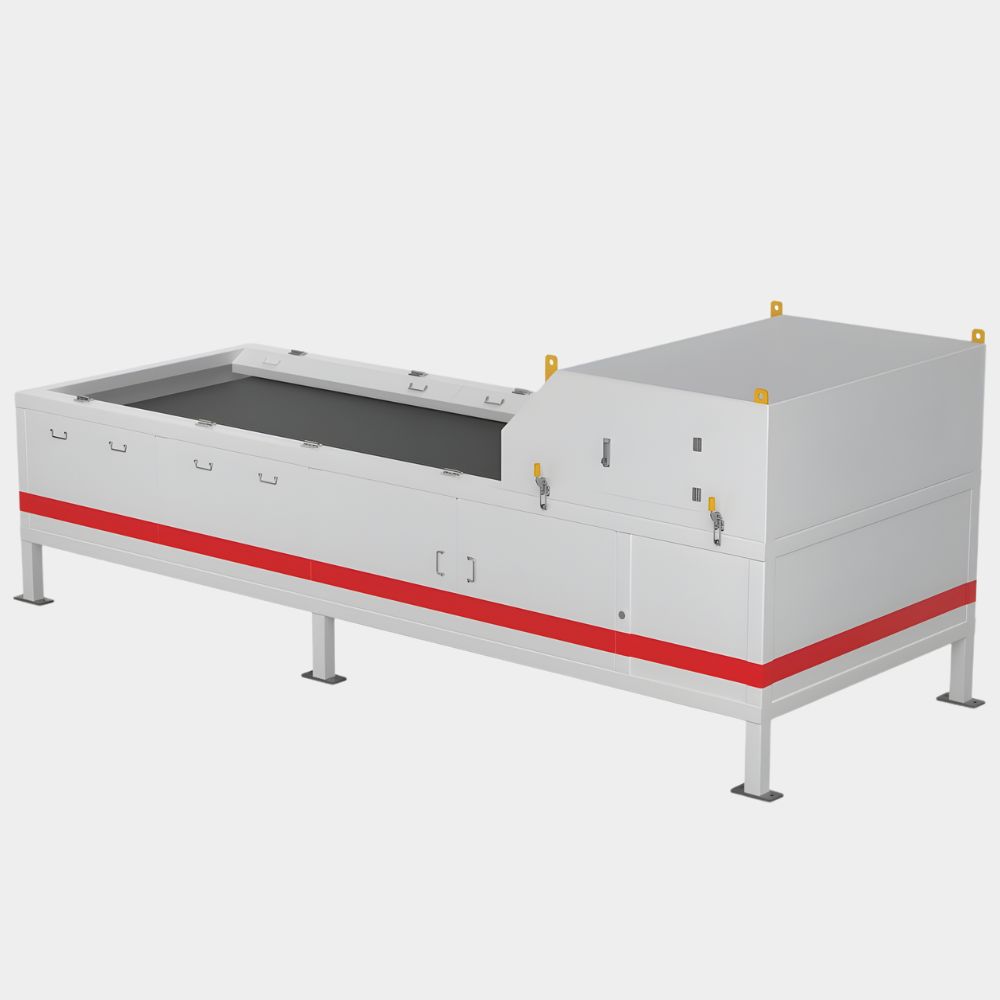
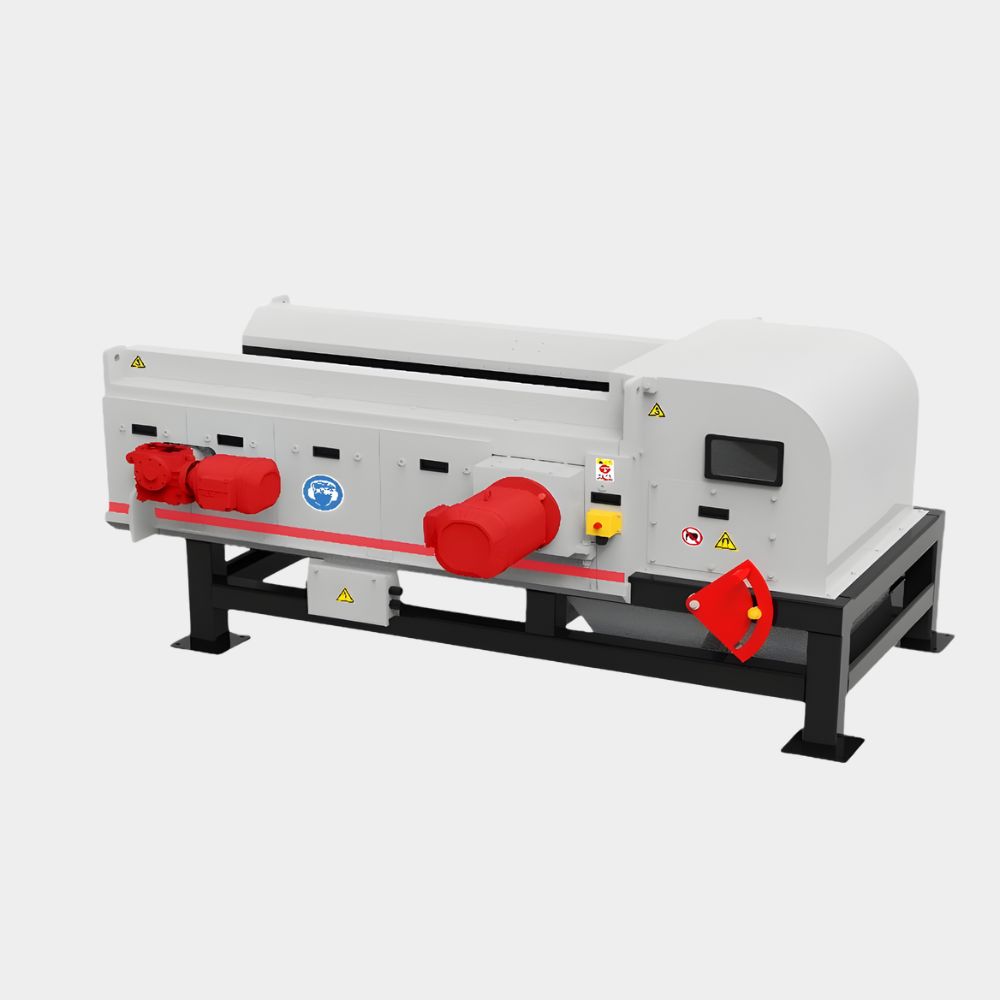
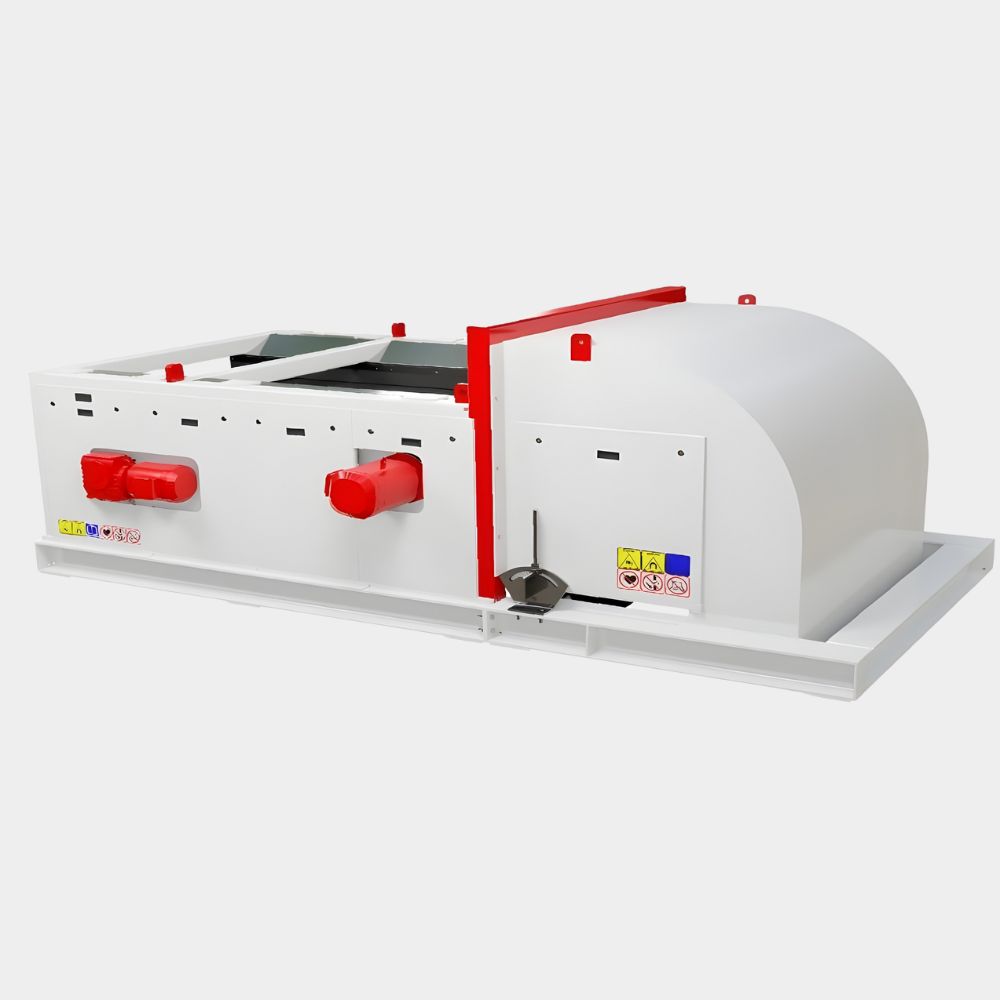
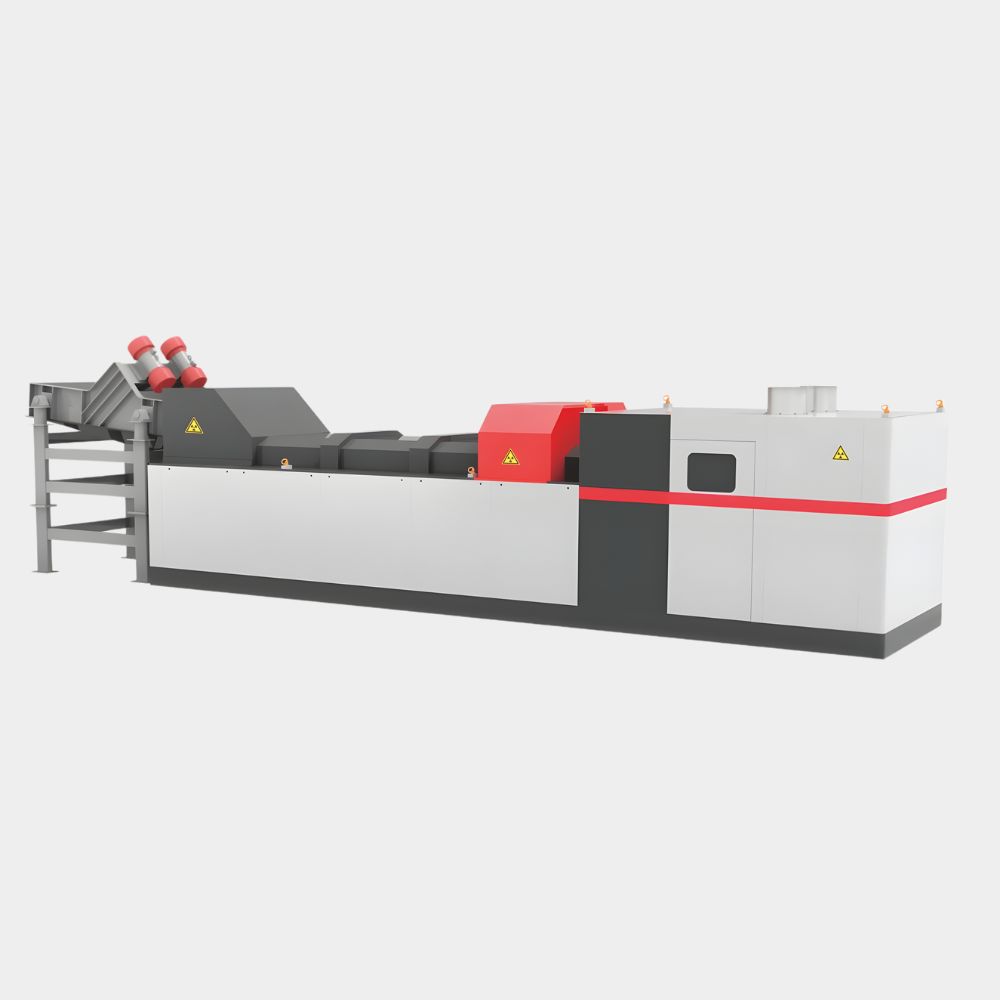
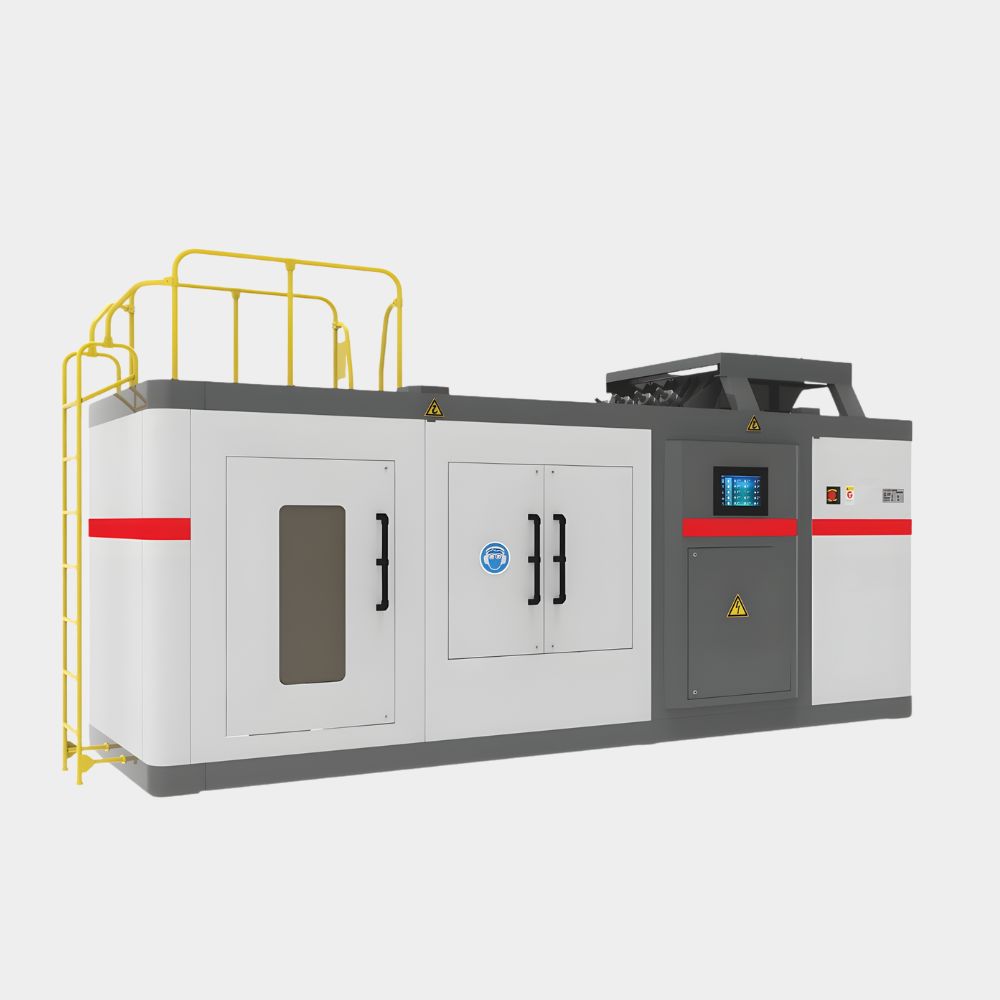
The equipment adopts the principle of electromagnetic induction detection and combines the execution method of the air nozzles to separate metals from non-metallic materials. It can effectively separate stainless steel from non-metallic materials.
A stainless steel sorter separates stainless steel and other weakly magnetic metals from non metallic material using electromagnetic induction detection combined with air nozzle ejection. It recovers the high value fraction that ordinary magnetic and eddy current stages leave behind in the residue.
How it works
An induction sensor array sits under the belt and detects any metal passing over it, including metals that are only weakly magnetic and therefore invisible to a magnetic drum, and metals that respond poorly to an eddy current separator. When the sensor identifies a target particle, the control system tracks its position along the belt and fires a precisely timed burst of compressed air from a nozzle bank at the discharge end, diverting that particle across the splitter into the product stream.
Because detection is based on conductivity rather than appearance, the machine works on dirty, painted and oxidised material where optical methods struggle.
What it separates
- Stainless steel from non metallic residue
- Weakly magnetic and mixed metals missed by upstream separation
- Residual metal from shredder fluff and tailings before final disposal
Where it belongs in the line
Induction sorting is placed after magnetic separation and eddy current separation, not before. The earlier stages remove the easy, high volume fractions cheaply, which leaves the induction sorter a smaller and more concentrated stream to work on. Running it first means paying to eject material that a magnetic drum would have taken out for nothing.
Feed presentation matters more than the sensor
Sorting accuracy in production is decided largely by how material reaches the belt:
- Sized feed. A narrow size range lets the ejection be tuned properly. A wide range means the air burst is either too weak for the large pieces or too strong for the small ones
- Single layer. Overlapping particles hide each other from the sensor and get ejected together, which costs purity
- Dry material. Wet fines clump and stick to the belt
- Even spread across the belt width, which is a function of the feeder rather than the sorter
A well fed machine of modest specification consistently outperforms a better machine that is badly fed.
The commercial case
Stainless left in residue is either sold at mixed metal rates or lost entirely. On a line with meaningful stainless content the value difference between recovered stainless and mixed residue is large enough that the payback calculation is usually straightforward. The number worth working out is not the throughput of the machine but the value uplift per tonne of feed, since that is what actually pays for it.
Specifying a machine
We size an induction sorter against your feed analysis, target purity and the throughput of the line ahead of it. Belt width, sensor resolution, nozzle spacing and air supply capacity are all selected from that, along with the feeder arrangement needed to present the material correctly.
It uses electromagnetic induction detection combined with air nozzle ejection. When the sensor identifies a metal particle, a burst of air diverts it out of the stream.
It effectively separates stainless steel and other weakly magnetic metals from non metallic material, recovering value that magnetic and eddy current stages leave behind.
Typically after magnetic separation and eddy current separation, since those stages remove the easy fractions first and leave a stream where induction sorting is most productive.
Dry, sized material fed in a single layer. Accuracy depends heavily on presentation, so the feeder and belt speed are as important as the sorter itself.
The stainless left in shredder residue is high value material that would otherwise be sold at mixed rates or lost. On lines with meaningful stainless content the payback is usually straightforward to calculate.