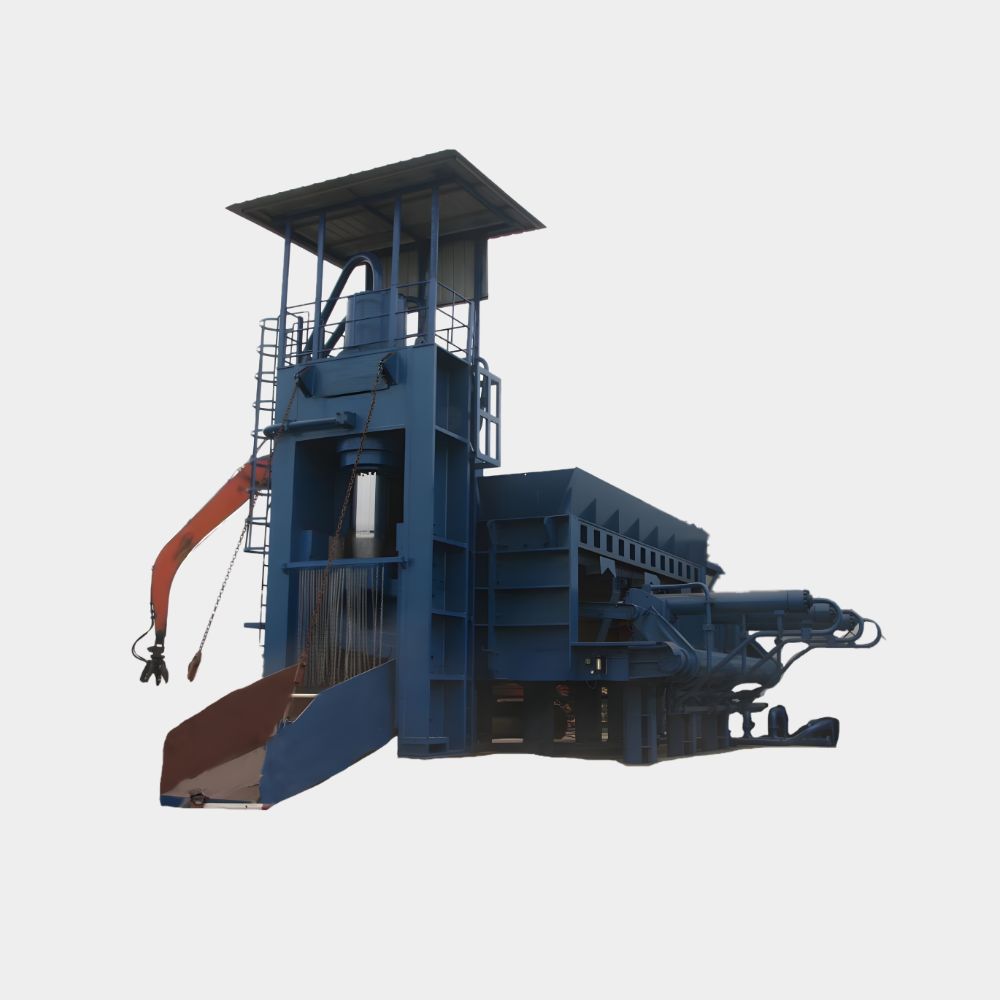
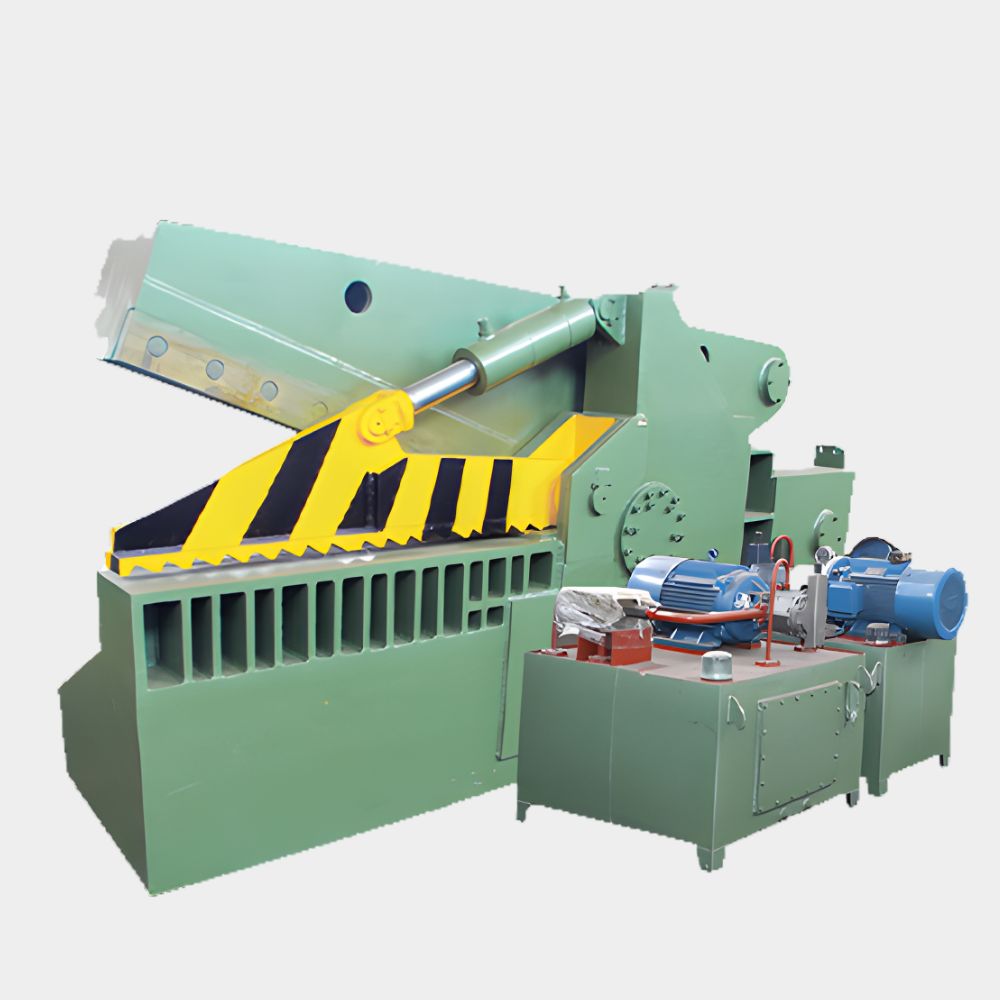
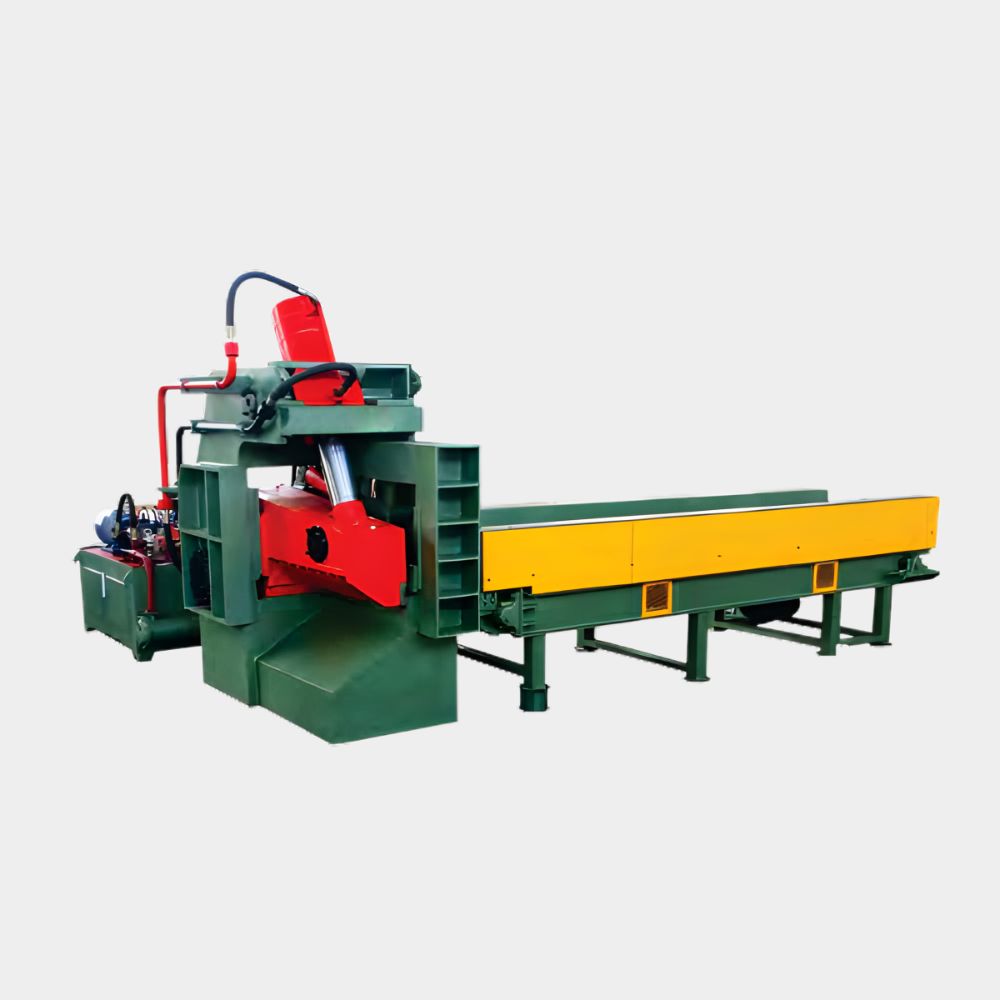
Container Shear
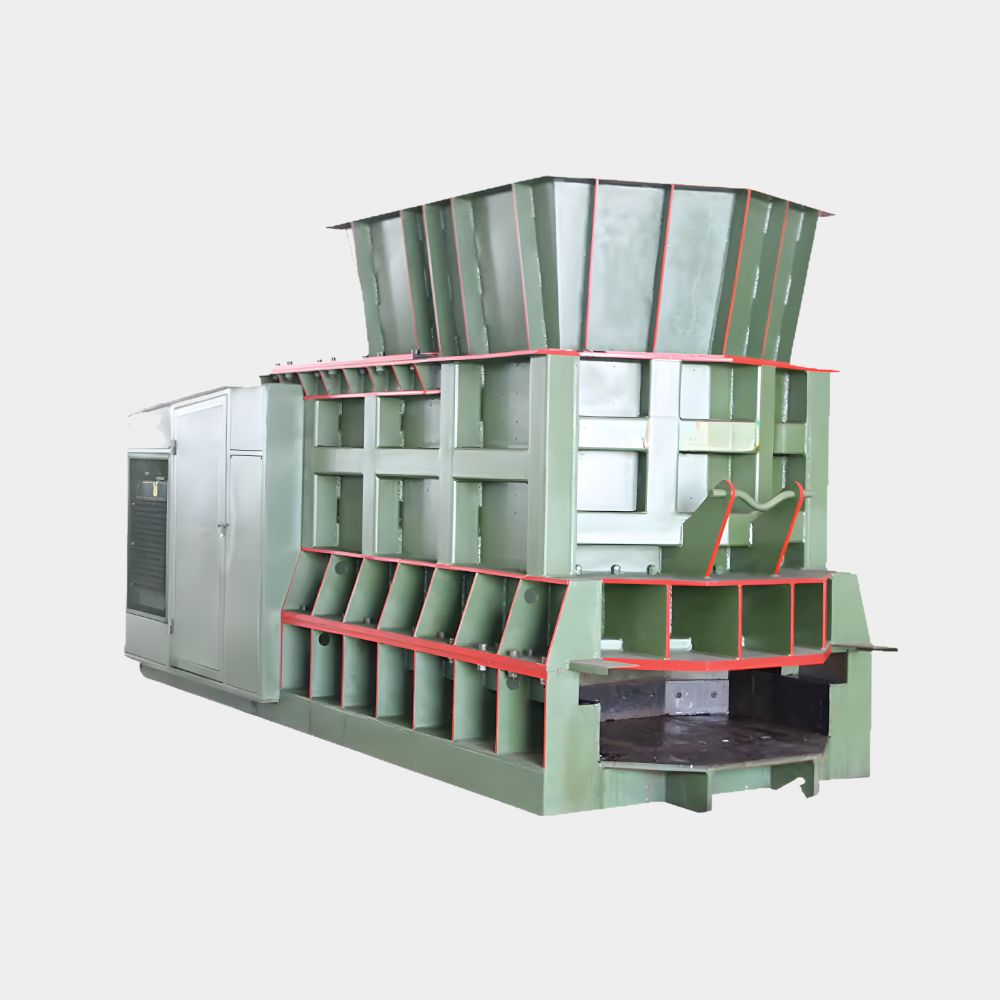
Container Shear Machines are suitable for cold shearing of light and thin materials (such as colour steel tiles, channel steel, steel plates, etc.) with various cross-section shapes to meet the requirements. This machine is suitable for small scrap yards, where the scrap is long and mixed, and the quantities are not very high.
A container shear is a single unit cold shearing machine for light and thin material. It is built around portability: it needs no foundation, it can be moved between sites, and it suits yards where volumes do not justify a fixed installation.
What it cuts
Light and thin materials with various cross section shapes, including colour steel tiles, channel steel and steel plates. Material is cut to the size required for onward sale or melting without the machine needing the structural mass of a heavy shear.
No foundation, no civil work
The machine can be installed on any hardened and levelled surface. There is no foundation to design, no concrete to pour and no curing time before commissioning. For an operator adding processing capacity to an existing yard, that removes the largest single delay in getting a machine into production.
Moving between sites
Being a single unit machine it is straightforward to move from one yard to another. This suits three situations in particular:
- Operators running more than one site who want to move capacity to wherever material is accumulating
- Demolition and dismantling contractors processing on site rather than transporting loose material
- Yards not yet certain of their final layout, where a fixed installation would be premature
Features
- Single unit machine, easy to move from one yard to another
- High security remote control keeping the operator clear of the cutting zone
- High shearing efficiency with continuous operation
- Installs on any hardened and levelled surface with no foundation required
Who it is for
Small scrap yards where the material arrives long and mixed and quantities are not high enough to keep a large fixed shear busy. At those volumes a heavy machine spends most of the shift idle while still carrying its full capital and maintenance cost. A container shear sized to the actual work is the more economic answer.
Safety in operation
The high security remote control means the operator stays away from the cutting zone while feeding and shearing continuously. On a machine that is often run by a small team without a dedicated operator, keeping people physically clear of the cutting area is worth more than any procedural control.
When to choose something larger
If your volumes are growing steadily, or if you regularly receive heavy melting scrap and structural sections, a straight bed or gantry shear will process it far more economically per tonne. The container shear is the right machine for light material at moderate volume, and it is worth being honest about which side of that line your yard sits on before buying.
Container Shear Machine Technical Specifications
| Model | Max.Shear Force (ton) | Cutting Width (mm) | Inlet Size (mm) | Main Motor Power (kW) |
|---|---|---|---|---|
| QW-630 | 630 | 1400 | 2000×1400 | 3×45 |
| QW-800 | 800 | 1600 | 2200×1600 | 4×45 |
| QW-1000 | 1000 | 1600 | 2200×1600 | 5×45 |
| QW-1250 | 1250 | 1800 | 2200×1800 | 3×90 |
* Specifications are indicative and subject to change based on requirements and technical advancements.
Cold shearing of light and thin materials such as colour steel tiles, channel steel and steel plates with various cross section shapes. It is a single unit machine built around portability.
No. It can be installed on any hardened and levelled surface, which removes both civil cost and the delay of waiting for a foundation to cure.
Yes. Being a single unit machine it is easy to move from one yard to another, which suits operators running more than one site or working on temporary demolition jobs.
Small scrap yards where the scrap arrives long and mixed and the quantities are not very high. At those volumes a large fixed shear would stay underused.
It uses a high security remote control, so the operator stays clear of the cutting zone while feeding and shearing continuously.
.jpg "Straight Bed Shear/Gantry Shear")