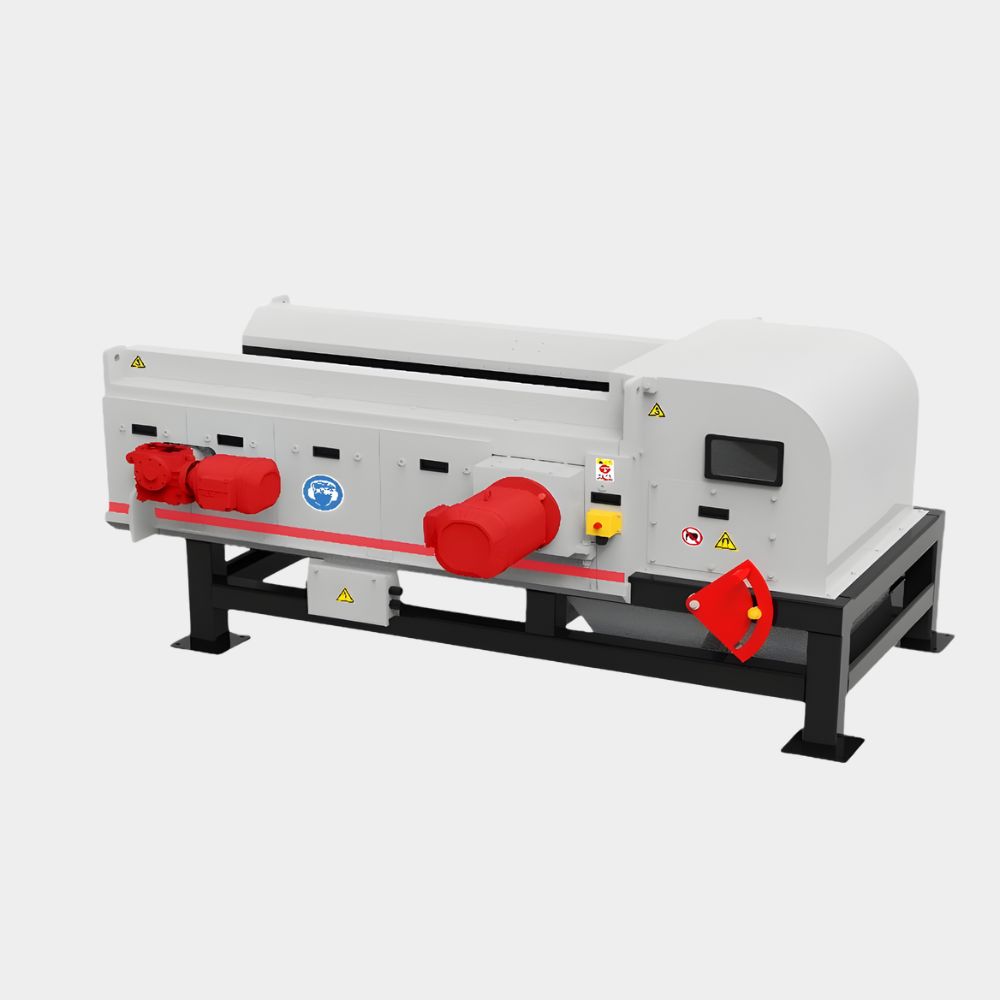
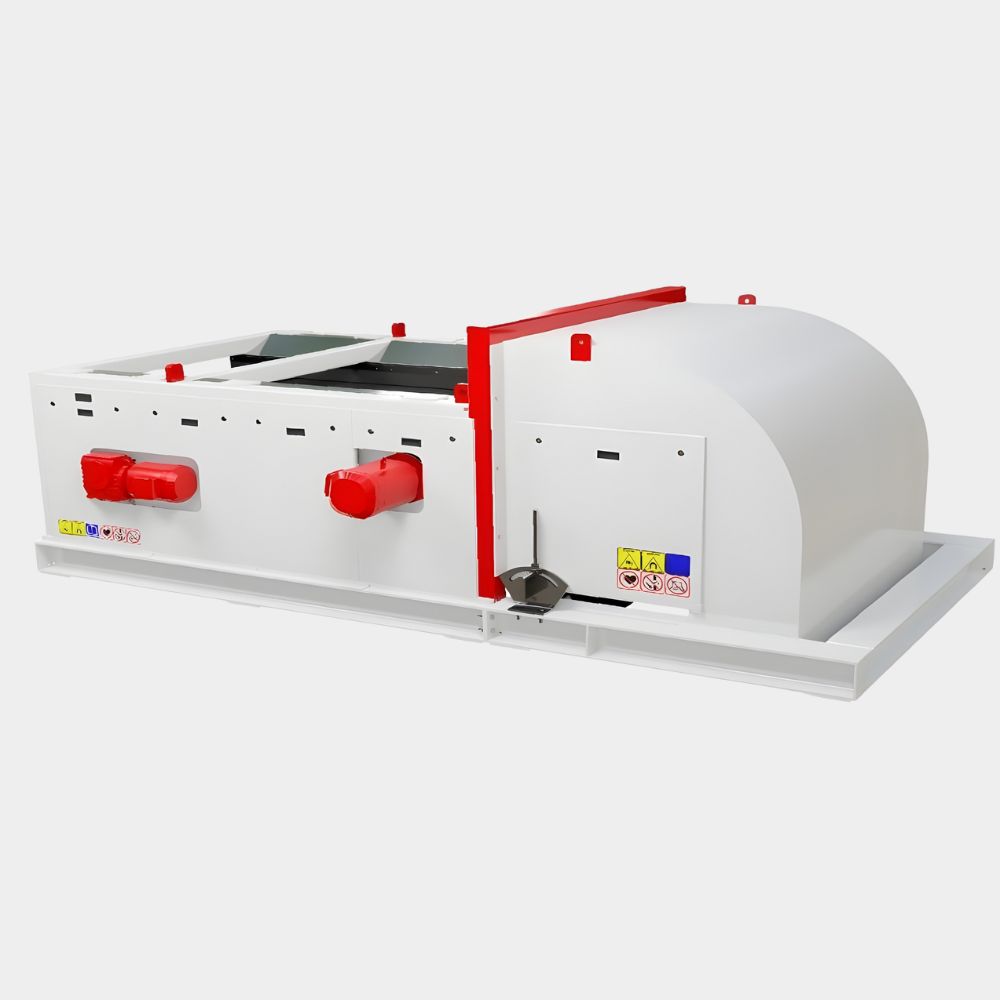
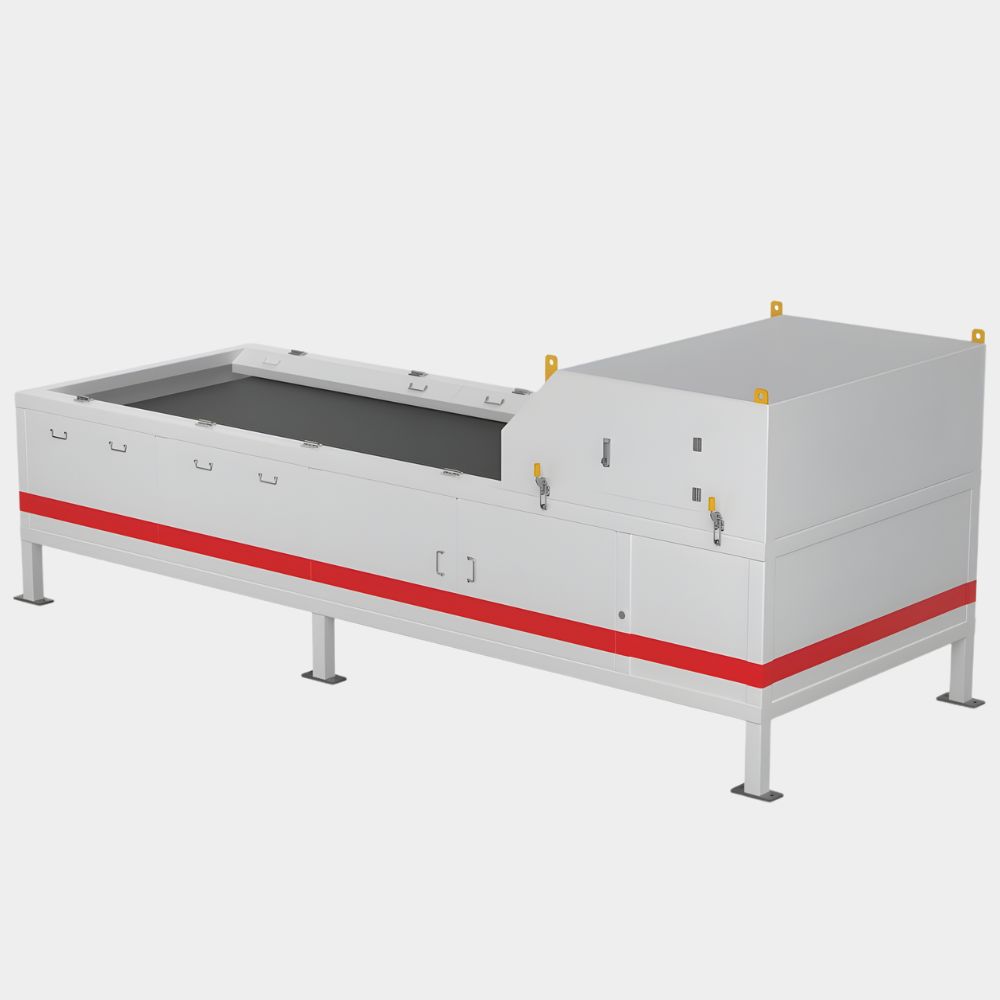
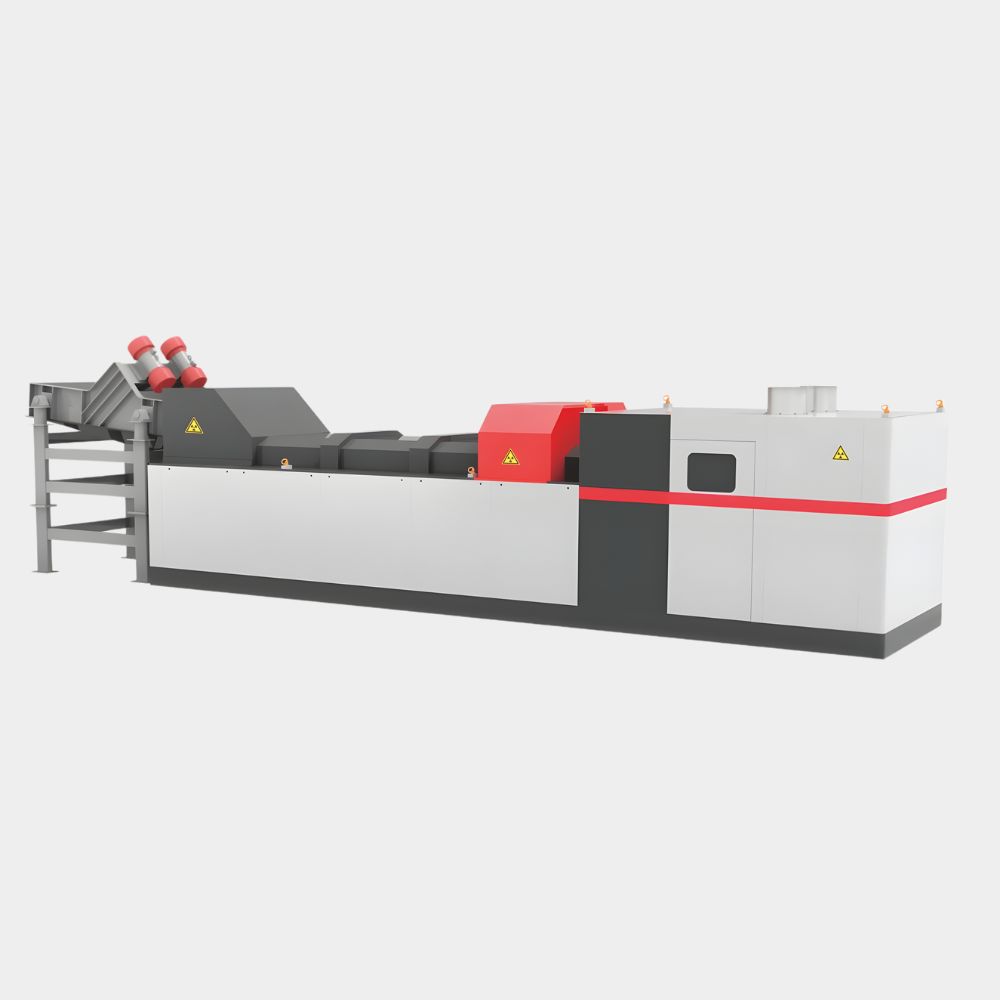
Intelligent X-Ray Fluorescence Sorter
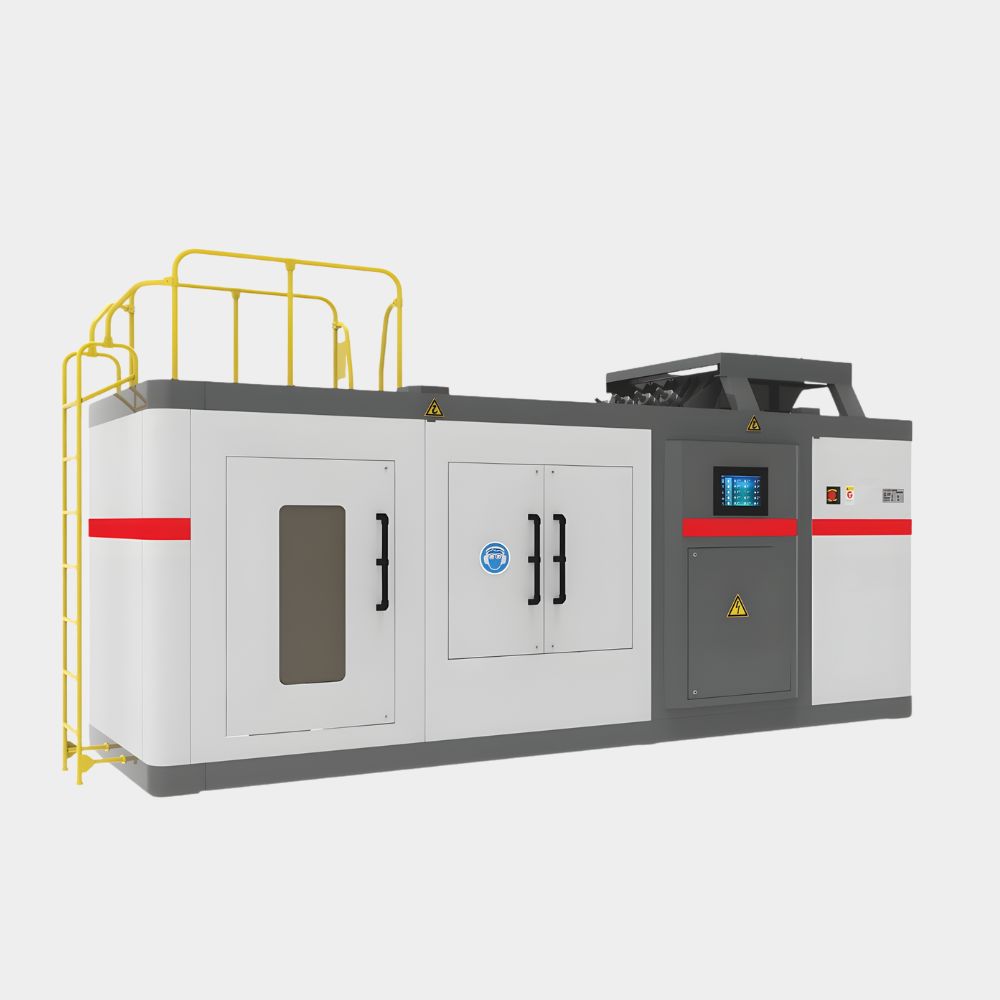
The equipment utilizes the characteristics of different fluorescence effects produced by different metal elements (XRF) to effectively distinguish different non-ferrous metals. It is effective in recognizing the elements between 20Ca-92U in the periodic table, and can effectively separate between the 2 series aluminum alloy and the 7 series aluminum alloy.
An X-ray fluorescence sorter, or XRF sorter, identifies metals by their elemental composition rather than by density or conductivity. It recognises elements from 20Ca to 92U in the periodic table, which covers the full working range of non ferrous recycling, and it is the technology used where alloy grade separation is required.
How it works
Each element emits a characteristic fluorescence signature when excited by an X-ray source. The sorter reads that signature from every particle passing over the belt, matches it against the target composition, and ejects the selected material with a timed air jet. Because the reading is elemental rather than physical, the machine can distinguish between metals that look identical and behave identically under magnetic or eddy current separation.
Alloy grade separation
The most valuable application is splitting aluminium alloy families. The machine effectively separates 2 series aluminium alloy from 7 series aluminium alloy, which is precisely the separation that makes alloy specific fractions worth producing rather than selling everything as mixed aluminium. Similar logic applies across copper alloys, brass grades and specialty metals where composition determines price.
Where surface condition matters
XRF reads the surface of a particle, not its interior. That is the technology's strength for composition analysis and its main limitation in practice:
- Heavily painted, coated or thickly oxidised material reads less reliably
- Pre-cleaning or shredding upstream to expose fresh metal improves accuracy significantly
- Material that has already been through XRT cleaning generally reads well
This is why XRF is normally positioned late in a sorting line rather than early.
XRF compared with XRT
- Use XRT to remove heavy metal contamination from bulk aluminium, and where material is dirty or coated
- Use XRF to split clean material into alloy specific fractions by composition
They are complementary rather than alternatives. Lines targeting furnace ready alloy specific output usually need both.
Feed requirements
- Dry, sized material presented in a single layer
- Reasonably clean surfaces, with upstream cleaning where the feed is heavily coated
- Ferrous and bulk contamination removed at earlier stages
The commercial case
Alloy specific fractions command a clear premium over mixed aluminium, and the gap widens as smelters tighten their specifications. The evaluation to run is the price difference between your current mixed output and the alloy specific fractions the machine would produce, multiplied by your annual tonnage. That figure, not the throughput rating, decides whether the machine is worth installing.
Specifying a machine
We size the sorter from your feed analysis, target alloy splits, particle size range and required throughput, and we specify the upstream cleaning and sizing needed to make those splits achievable in production rather than only in a test.
It reads the fluorescence signature that each metal element produces when excited, which allows it to distinguish different non ferrous metals by elemental composition rather than by density or conductivity.
Elements between 20Ca and 92U in the periodic table, which covers the full working range of non ferrous recycling.
Yes. It can effectively separate 2 series aluminium alloy from 7 series aluminium alloy, which is exactly the separation that makes alloy specific fractions worth producing.
Yes. XRF reads the surface, so heavily coated, painted or oxidised material reads less reliably. Cleaning or pre-treatment upstream improves results significantly.
XRT for removing heavy metal contamination from bulk aluminium, XRF for splitting alloy grades within the aluminium fraction. Lines aiming at furnace ready alloy specific output often need both.