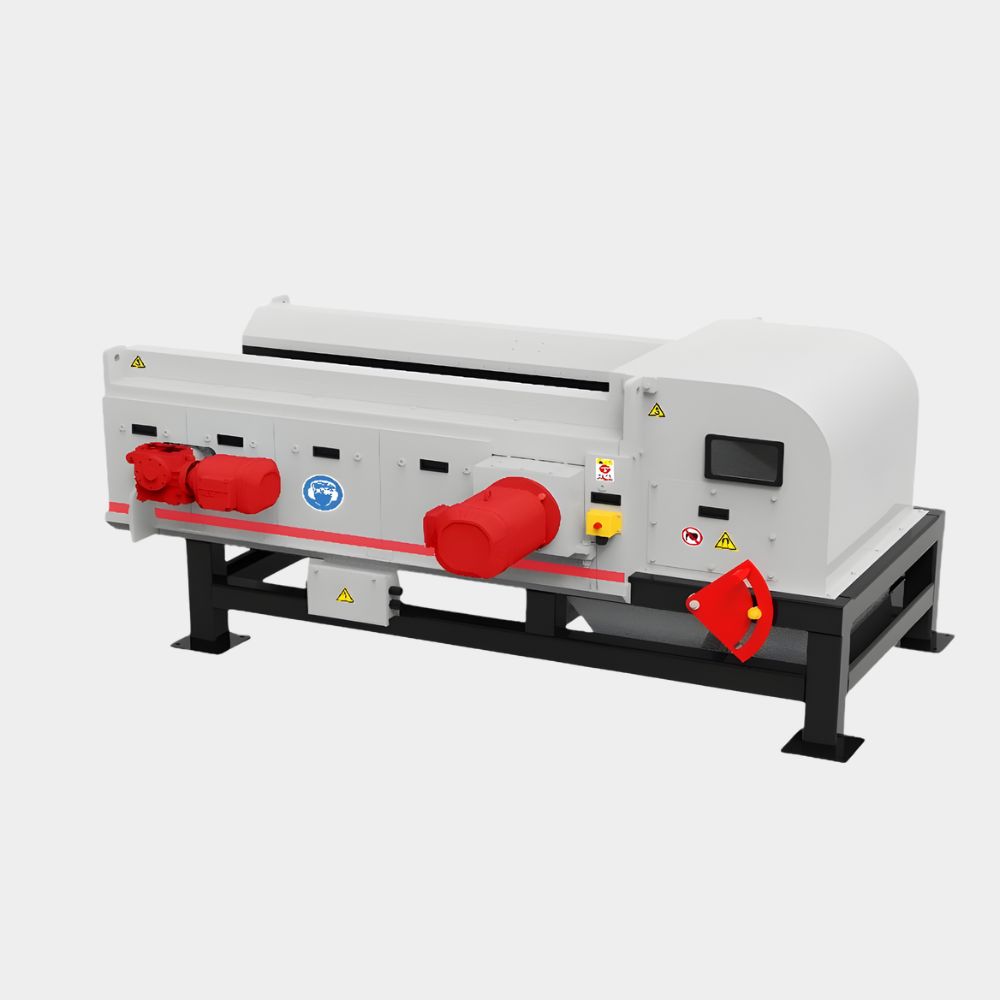
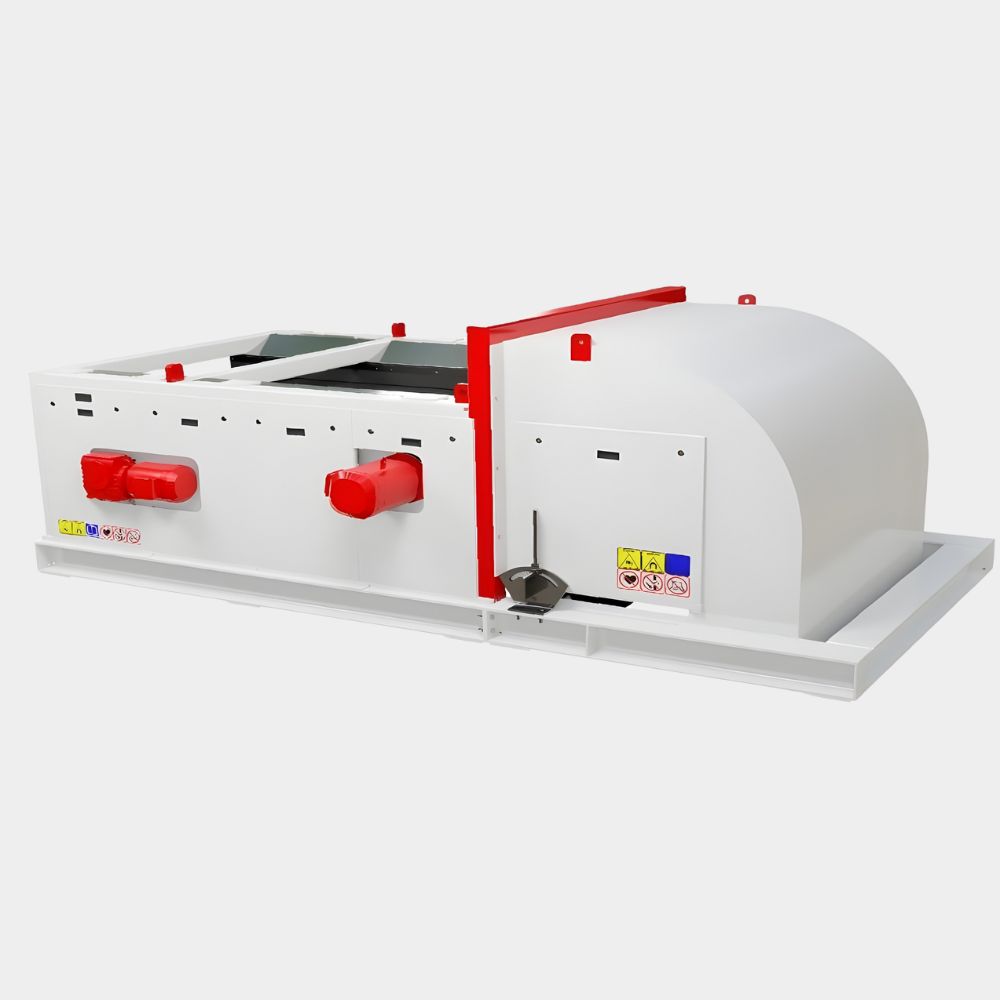
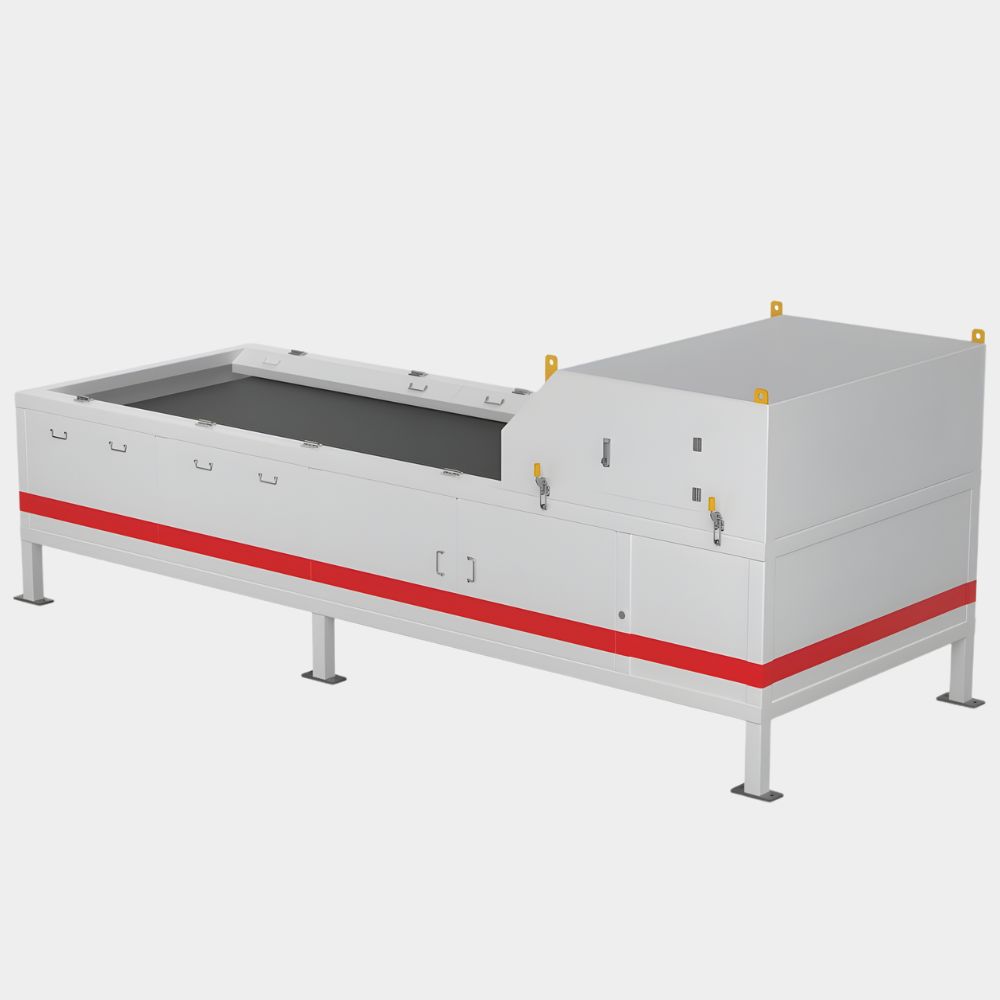
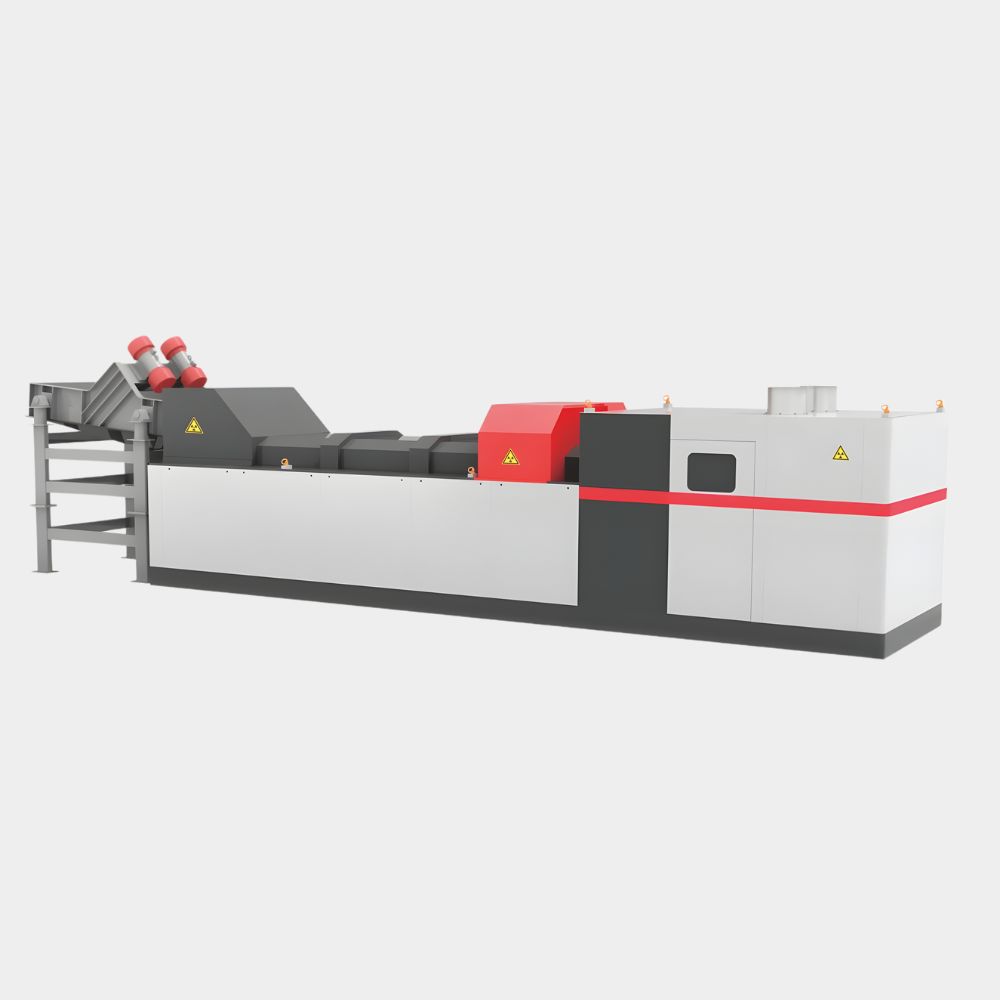
Electromagnetic Iron Separator
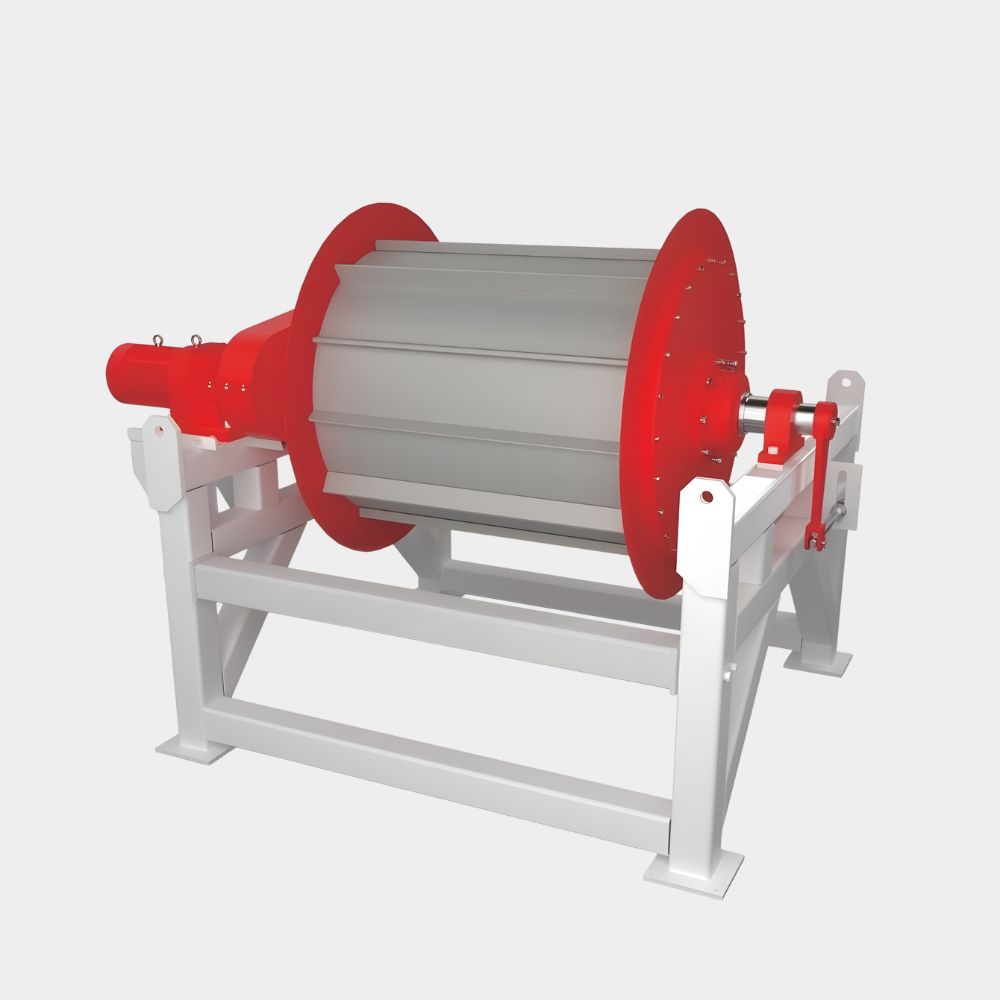
The equipment adopts electromagnetic coils as magnetic elements, which is suitable for materials with high iron content and sharp iron parts, effectively sort out iron parts from materials, and magnetic field is adjustable. The drum diameter ranges from 800mm - 1500mm, the drum length from 800mm - 3000mm.
An electromagnetic iron separator uses electromagnetic coils rather than permanent magnets to generate its magnetic field, which means the field strength is adjustable. That single difference is the reason to choose it: where feed conditions change, you can tune the machine instead of accepting a compromise setting.
How it works
Material passes over a rotating drum containing a coil assembly energised by a DC supply. Ferrous particles are attracted to the shell, carried past the splitter and released where the field ends, while non magnetic material continues into the product stream. Increasing coil current increases field strength and penetration depth, allowing the machine to reach deeper into a heavy burden or to be dialled back where a strong field would drag non target material with it.
When an adjustable field is worth having
- Burden depth varies through the shift because feed rate is uneven
- Iron content changes significantly between incoming loads
- The same line processes more than one material stream
- You are chasing high purity and need to trade recovery against carryover
On a genuinely steady feed a permanent magnet drum does the same job with no power draw and less to go wrong, so the adjustability has to be worth something before it justifies the running cost.
Sizes
- Drum diameter from 800mm to 1500mm
- Drum length from 800mm to 3000mm
Planning for power and heat
The coils draw current continuously while the machine runs, and that energy becomes heat. Two things follow. First, the electrical supply and any rectifier or control panel need to be sized at the design stage rather than added afterwards. Second, cooling and duty cycle need to be considered together, because coil temperature is what limits continuous operation. Both are straightforward to plan for and awkward to retrofit.
What material it suits
Material with high iron content and sharp iron parts, where the ferrous fraction has to be removed effectively before further processing. Shredder output, mixed yard scrap and processed tailings all fall into this category.
Where it belongs in the line
Ahead of eddy current separation, induction sorting and X-ray sorting. Removing iron first protects those machines from tramp metal and improves their accuracy, because a stream still carrying ferrous material gives every downstream sensor something irrelevant to react to.
Specifying a machine
We select drum diameter, length and coil rating from your belt width, burden depth, feed rate and iron content, and we specify the electrical supply and control arrangement alongside the machine so the installation is complete rather than partly planned.
It uses electromagnetic coils as the magnetic element, which means the magnetic field is adjustable. That flexibility is the main reason to choose it over a permanent magnet drum.
When burden depth or iron content varies through the day, or when you process different material streams on the same line. You can dial the field up or down instead of compromising on a fixed setting.
Drum diameter from 800mm to 1500mm and drum length from 800mm to 3000mm, selected to suit your conveyor and throughput.
The coils draw power continuously and generate heat, so the electrical supply and duty cycle need to be considered at the design stage rather than after installation.
Material with high iron content and sharp iron parts, where the iron needs to be sorted out effectively before further processing.